

Life in Limbo: Bringing Families Home in Venezuela
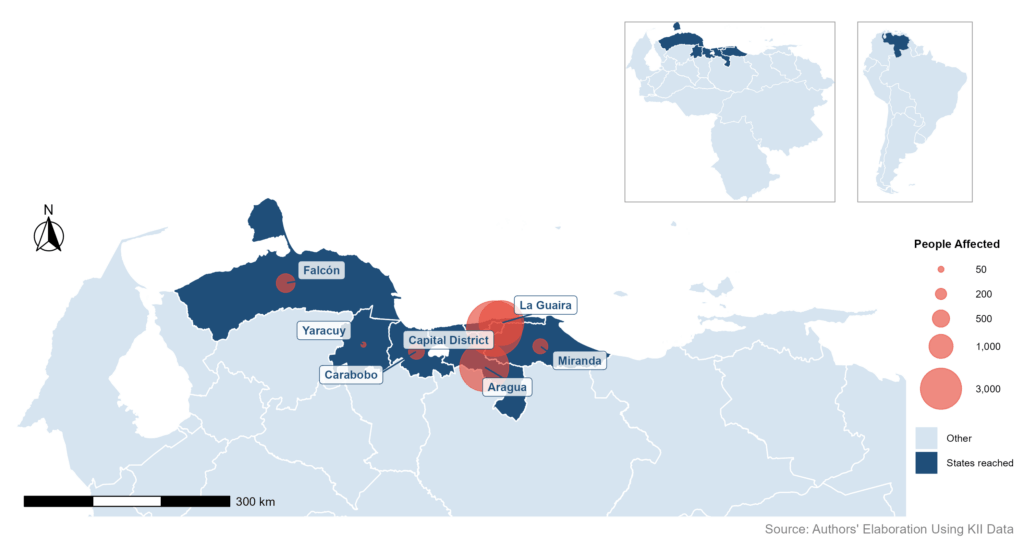
More than 12,700 people are living on the street in Venezuela – sleeping in crammed, makeshift tents set up outside their collapsed homes or on empty sports fields. One month after a pair of powerful earthquakes tore through nine states, families in Caracas, La Guaira, and beyond are stuck in limbo: too afraid to go home, with nowhere else to turn.
The numbers tell part of the story. At least 2,500 structures are damaged. 189 collapsed outright; 585 are partially destroyed. Thousands more are still standing, but no one knows if they’re safe. Across roughly 50 makeshift camps between Caracas and Miranda, families are waiting for a trusted professional to tell them whether the place they call home is livable, repairable, or gone for good.
This is where CORE is focused right now: getting people off the street and back into safe, dignified housing.
Our shelter team is working alongside civil engineers and architects, going home by home to assess the damage and figure out what it will take to get families back inside. For homes that can be saved, that means safely clearing rubble, making fast and targeted structural repairs, and creating rooms where families can safely and comfortably live.
Field Update
Juan, CORE’s Program Manager in Venezuela, shares a message from La Guaira during home assessments.
Follow @coreresponse on Instagram for more real-time updates.
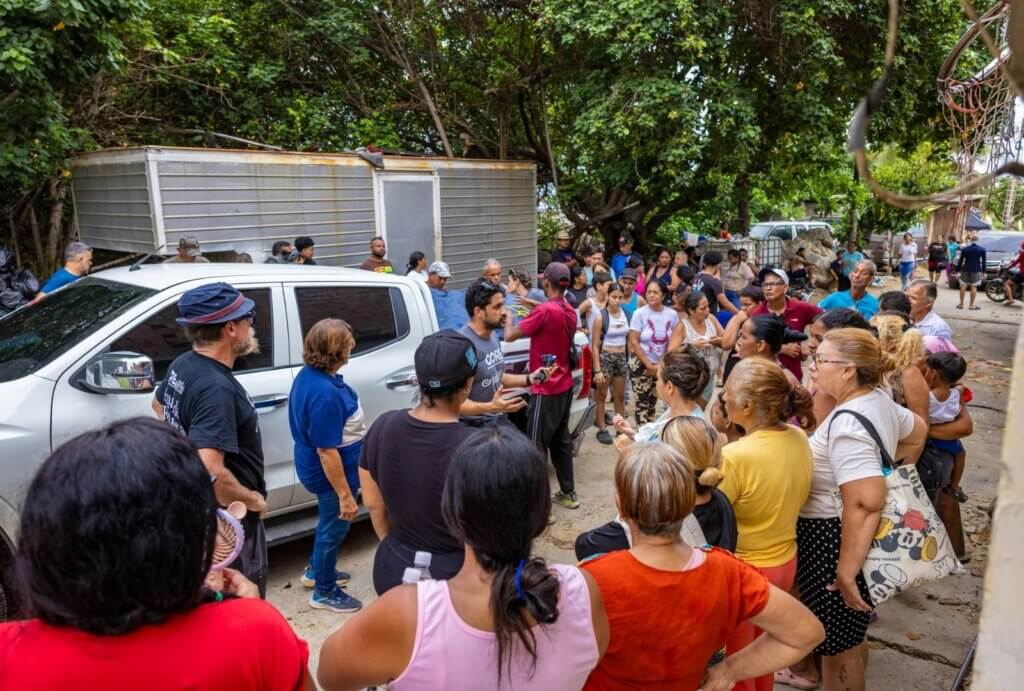
In the meantime, we’re making life in camps a little more bearable. Early on, our team talked to dozens of camp leaders, who identified hygiene products, baby items like diapers and formula, and shelter support as the top three needs among displaced families. So, we started there – distributing clean water and hygiene kits packed with toothbrushes, soap, shampoo, and more to help families stay clean and healthy in crowded camp conditions.
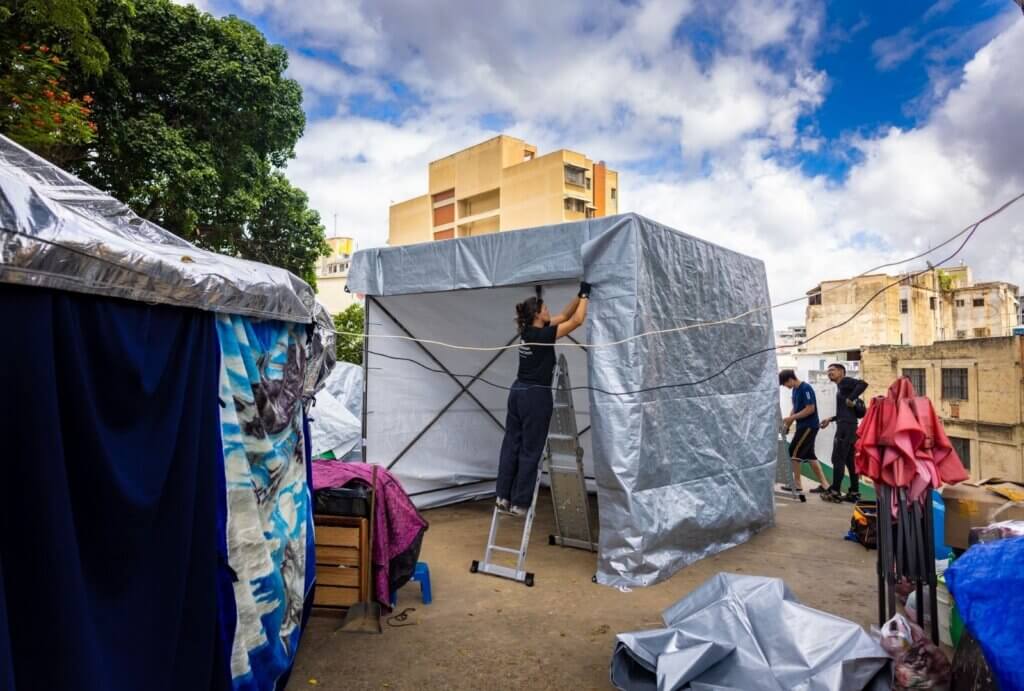
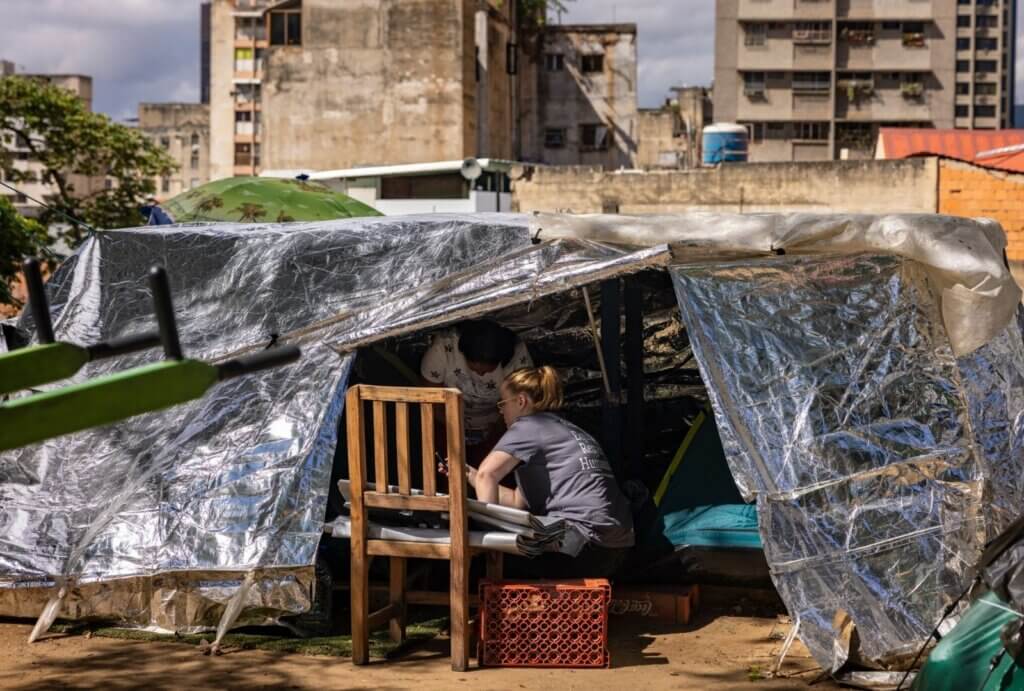
Today, many families are still living out of small camping tents with no real protection from Venezuela’s heat, humidity, and sporadic rain showers. Plus, these crammed spaces barely allow enough room to keep their belongings safe and dry. Alongside tarp distributions, our teams are installing high-quality, weather-resistant sturdy shade structures – small upgrades that can mean a lot when you’re sleeping on a baseball field. It’s not permanent, but it brings a little more comfort, safety, and dignity while families wait to get back home.
It only takes 15 minutes to install a shade structure.
WATCH HERE
Disasters, no matter the scale, strip families of the same things: normalcy, security, a sense of safety. Getting back to a stable, secure home is often the clearest sign that recovery has actually begun.
That’s why, for sixteen years, bringing families home has been a throughline across CORE’s work worldwide. This work takes many forms. Sometimes it’s tarping roofs torn off by hurricane-grade winds; mucking out homes submerged in floodwater; other times, it’s clearing debris and rebuilding foundations strong enough to withstand the next disaster.
No matter the crisis, our job as humanitarians doesn’t change: listen to families living through it, understand what they’ve lost and what they need to move forward, and work alongside them until they’re home again. To learn more about and donate to our response, visit the Venezuela landing page.