

CORE’s been on the ground in Venezuela for two weeks. Here’s what you need to know:
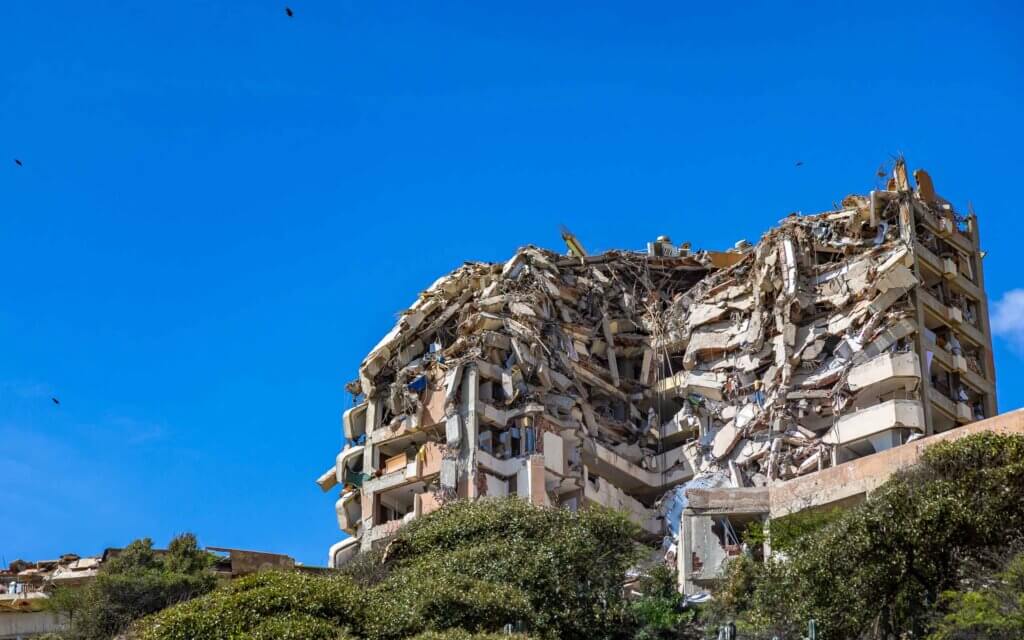
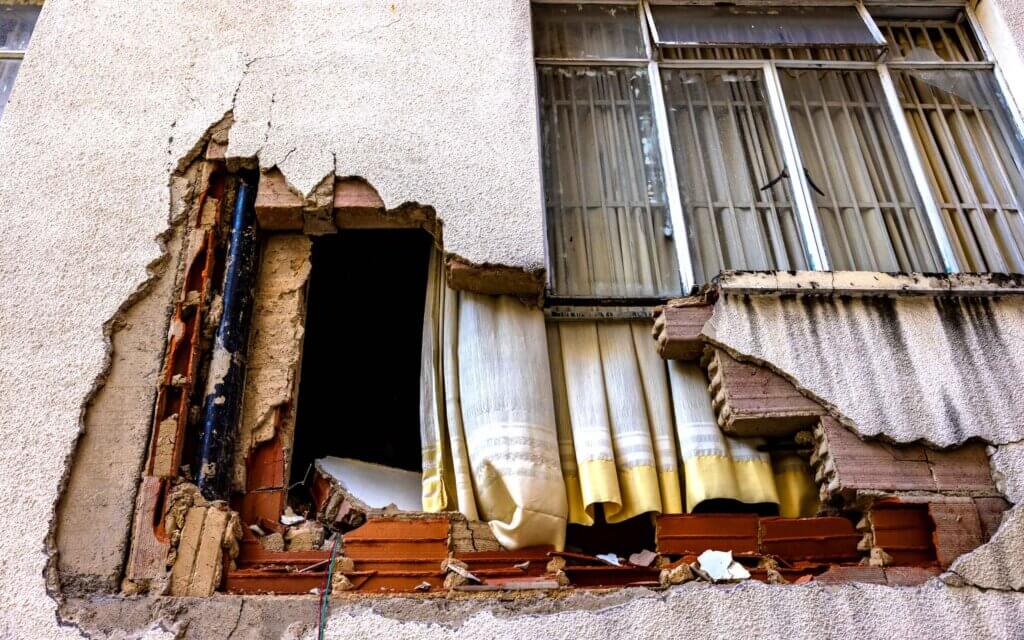
On June 24, twin earthquakes struck northern Venezuela within seconds of each other. The tremors, measuring 7.2 and 7.5 magnitudes, were the most powerful to hit the country in over a century. More than 3,800 people have died, with thousands more still missing. They caused widespread outages, collapsed countless buildings, and left entire communities in ruins. Now, families are just beginning to pick up the pieces.
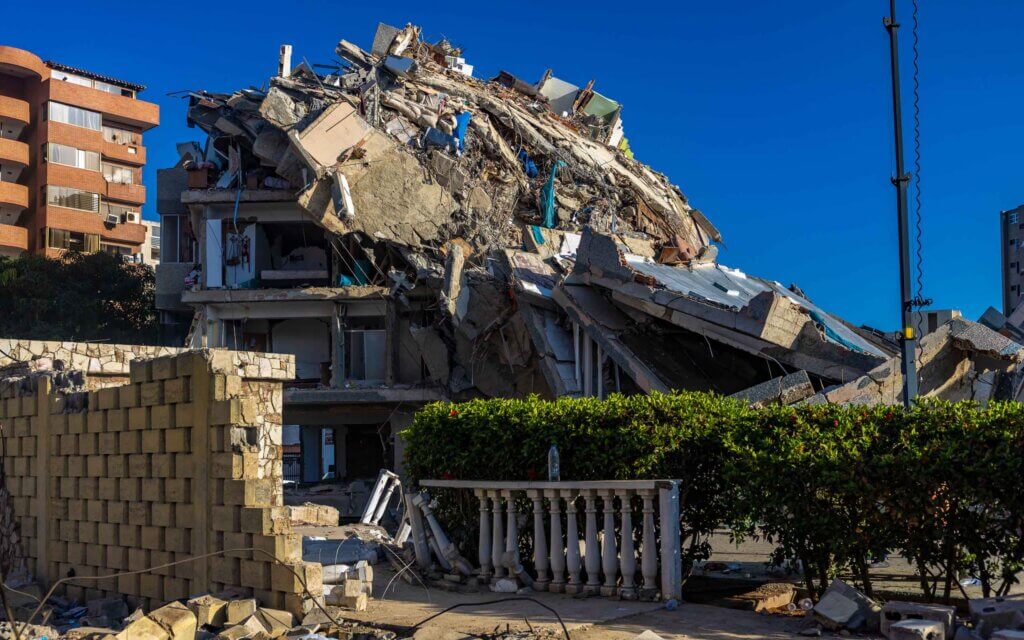
Destruction is widespread.
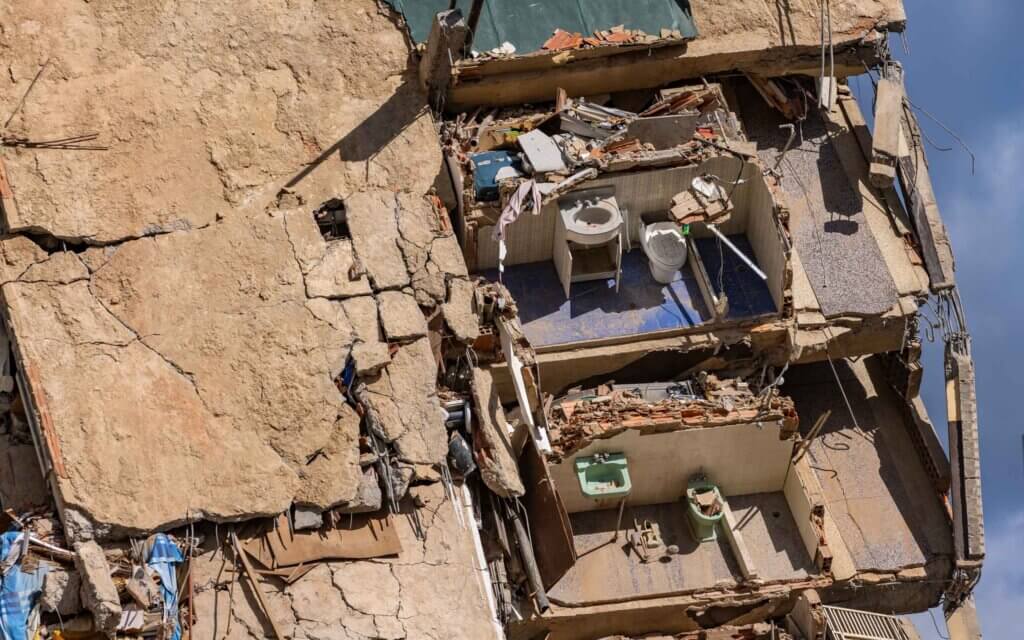
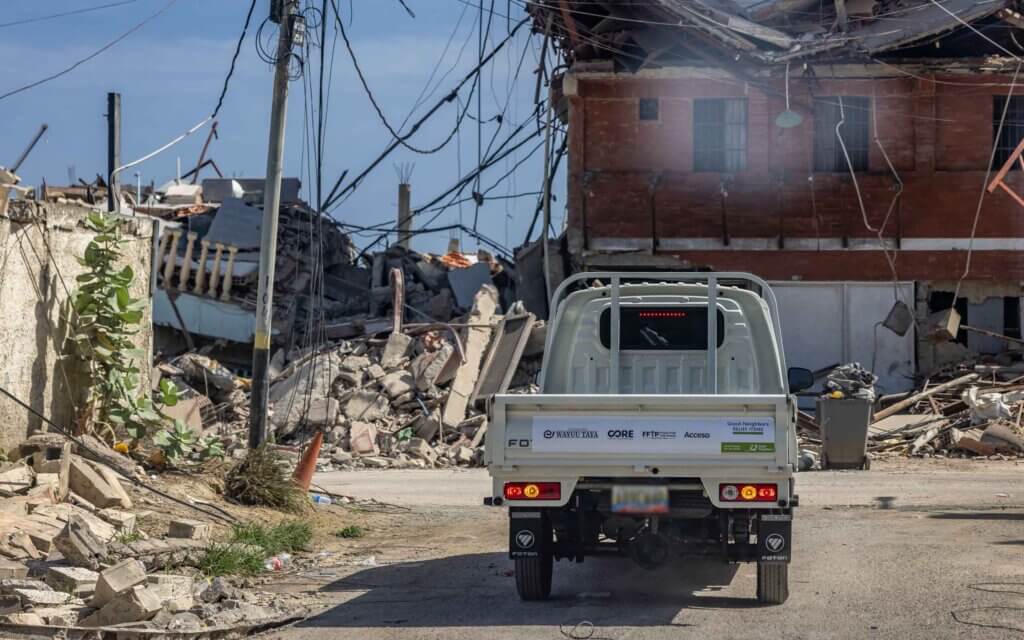
Collapsed apartment complexes, high-rise buildings, homes, and businesses have produced an estimated 1.2 million tons of debris, according to the UN. Clearing rubble is often the first step toward recovery and healing. However, there’s a major problem; there’s simply not enough heavy machinery in Venezuela to clear the debris quickly.
What's CORE doing about all that debris?
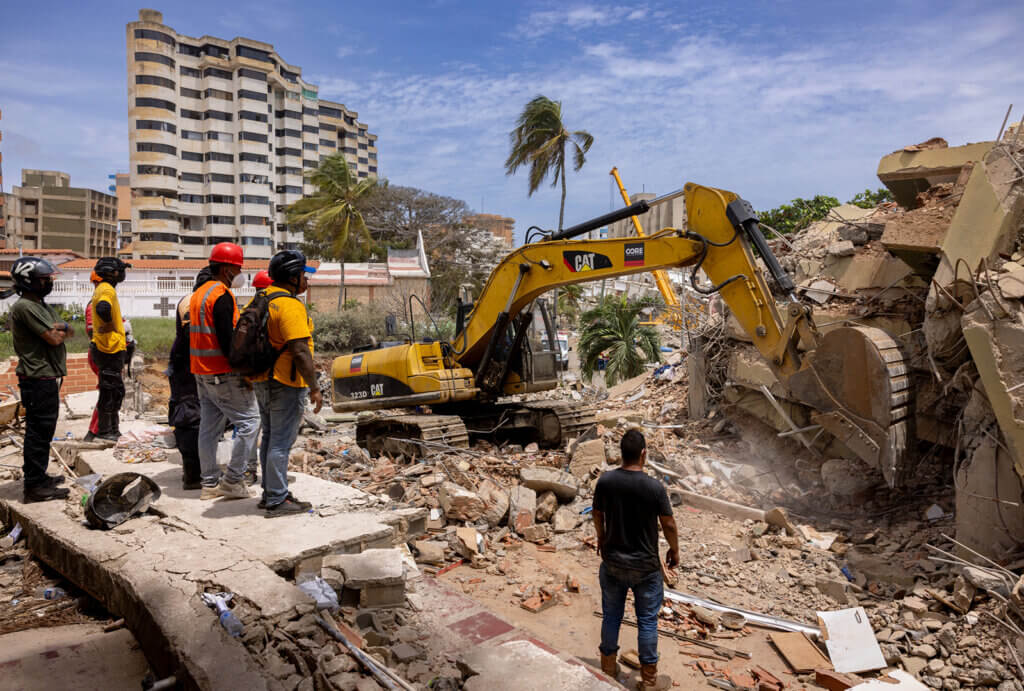
So far, CORE has brought in heavy machinery to clear 8,300 metric tons of debris from some of Venezuela’s hardest hit communities. We started in Morón, a small coastal town about 30 miles from the epicenter of the earthquakes, where we sent a skidsteer to clear rubble from damaged single-story homes, a local school, and other community spaces.
Since then, we’ve expanded to active search and recovery sites in Turmero, about two hours outside of Caracas, and to La Guaira – known locally as ‘ground zero’ of the quakes. There, excavators and operators are clearing debris from collapsed buildings, which helps recovery teams sift through what’s left and locate community members still buried in the rubble.
It’s difficult work. But it’s often the first step toward healing for families, and the beginning of rebuilding for a community.
Thousands of families have nowhere to go home to.
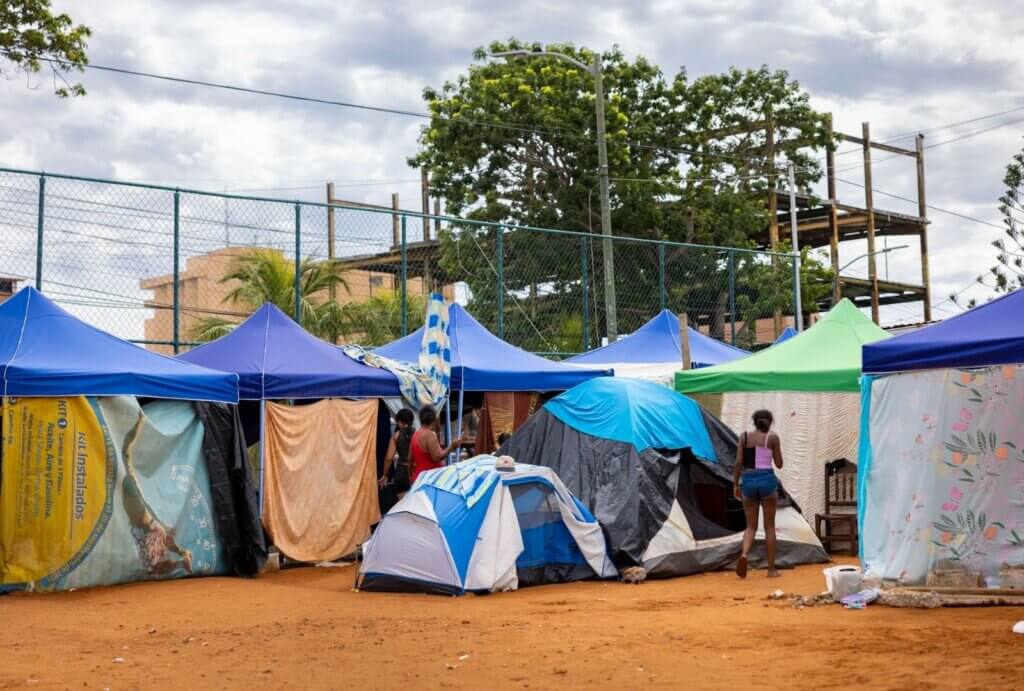
The Venezuelan government reported that more than 17,000 people have been displaced by the earthquakes. Across Caracas and La Guaira, families are piling into tents on baseball fields and open streets, exposed to the elements, and unsure of where to go next. In talking with families sheltering at displacement camps, our teams are learning that many lost their homes entirely. Others are afraid to return to their damaged apartment complex or house, especially after so many aftershocks.
What's CORE doing to help displaced families?
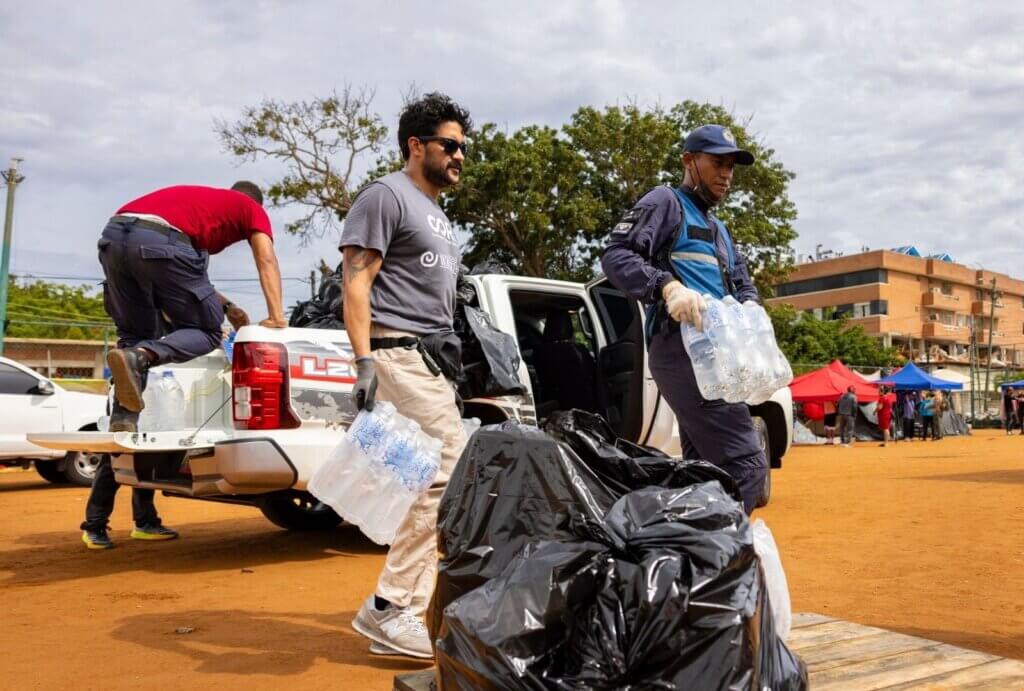
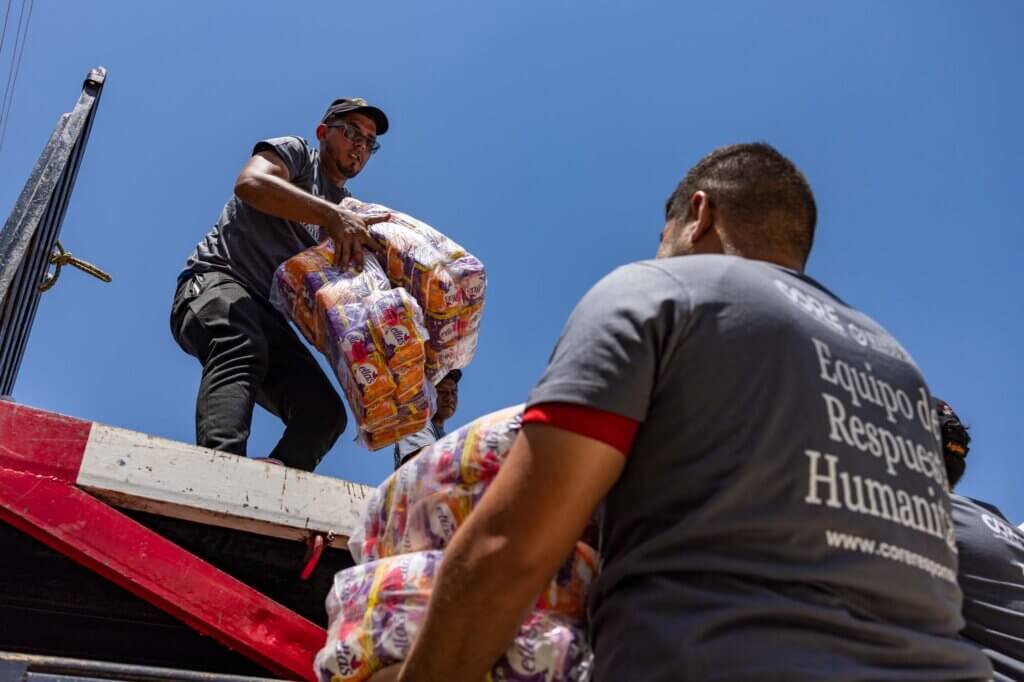
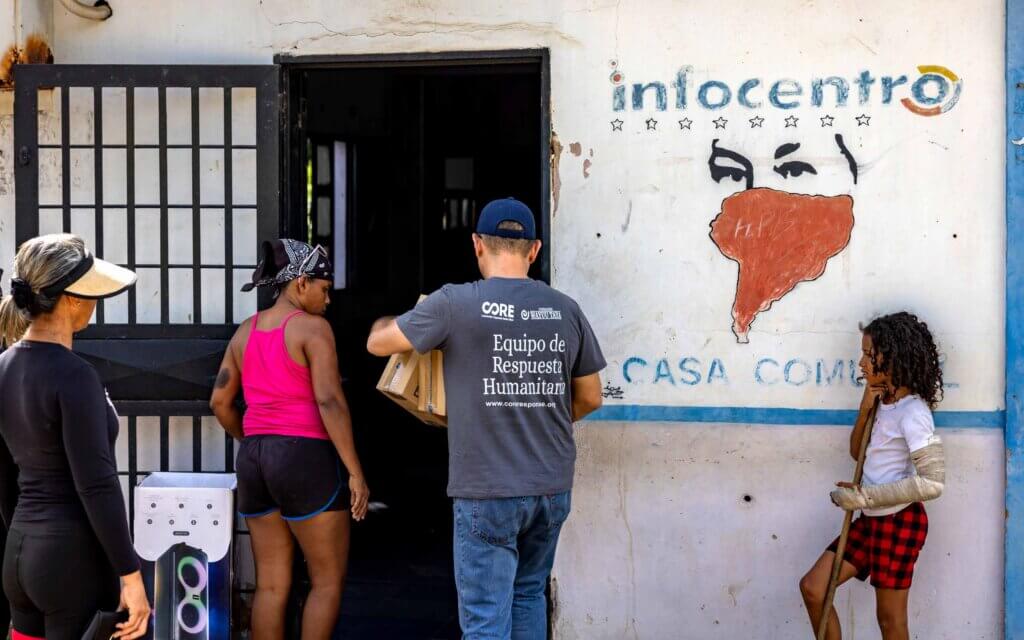
So far, our teams have reached 4,600 people with resources they need to get through the days ahead: food, drinking water, hygiene kits, and bug spray.
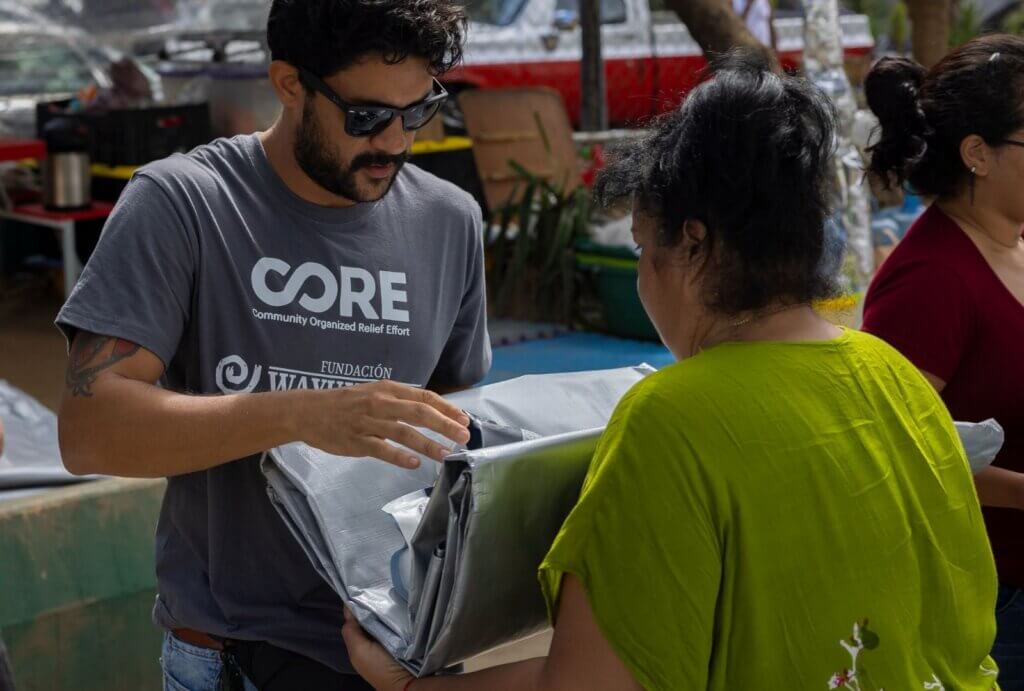
CORE’s shelter experts are also on the ground, identifying ways to safely get families back home as soon as possible. But while they wait – many of them sleeping in displacement camps – CORE is delivering high-quality, durable tarps to families to protect them from the elements. They’re waterproof, UV resistant, reusable, and can’t be bought at local shops in Venezuela. The quality of the tarps makes them versatile; they can be used to provide extra shade from the hot sun, close off exposed walls of makeshift tents, or line the ground to protect people inside.
The road to recovery is long.
Two weeks in, headlines are starting to fade, but our work is just beginning – and families need to get back home.
Our shelter team will continue doing individual assessments of homes that were partially damaged by the quakes. Working with civil engineers and architects, they’re identifying ways to clear remaining rubble and make targeted repairs – ultimately engineering one safe, livable space in each home, so families can return.
Did you know?
7.6 million people were already struggling to access clean water, meals, and adequate health care. Now, families have even fewer resources to stay healthy, return home, and rebuild their lives.
Venezuela is facing a long road to recovery – one that began long before the earthquakes hit. With over 16 years of experience in disaster response, earthquake response and recovery are part of CORE’s DNA. We’re built to help communities through the first days of a disaster and the years that follow. But we need your help to keep showing up for the families of Venezuela. To donate or learn more about our response, click here.