Hurricane Melissa

Support communities in crisis around the world.

Hurricane Melissa, a rare and dangerous Category 5 storm, made landfall on October 28th as one of the strongest Atlantic hurricanes on record. Communities across the Caribbean experienced record-breaking rainfall, catastrophic flooding, and powerful winds. Millions have been impacted and, even months later, need support as they rebuild their communities.  

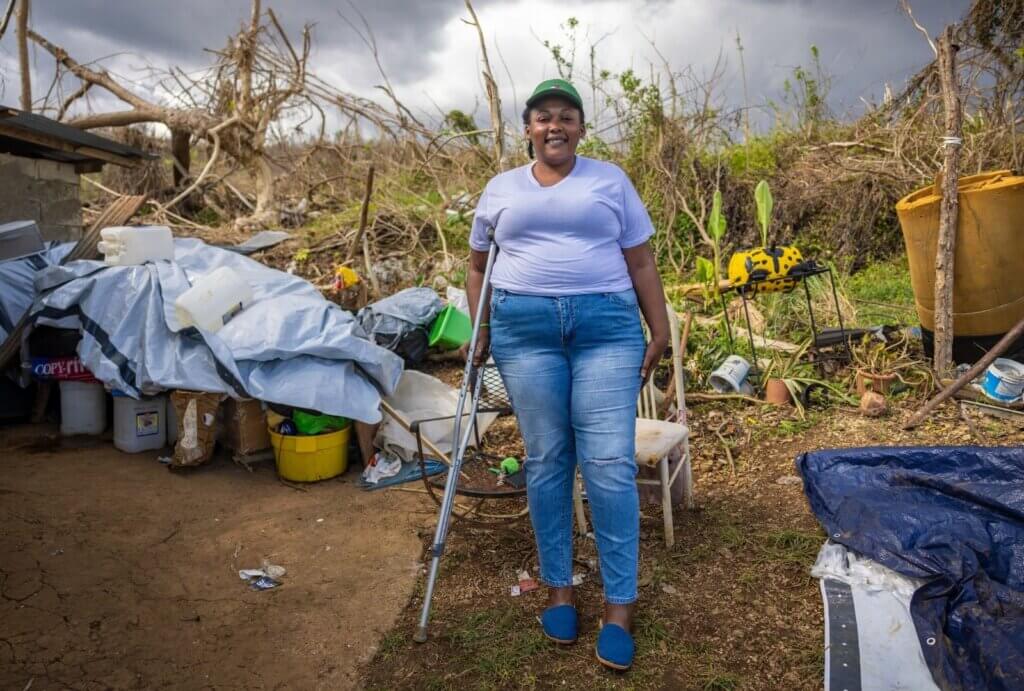
Meet Stashauna

A community leader and resident of Middle Quarters, Jamaica, Stashauna worked alongside CORE last year to distribute relief items following Hurricane Beryl. But this season, Stashauna reconnected with our team under different circumstances.  


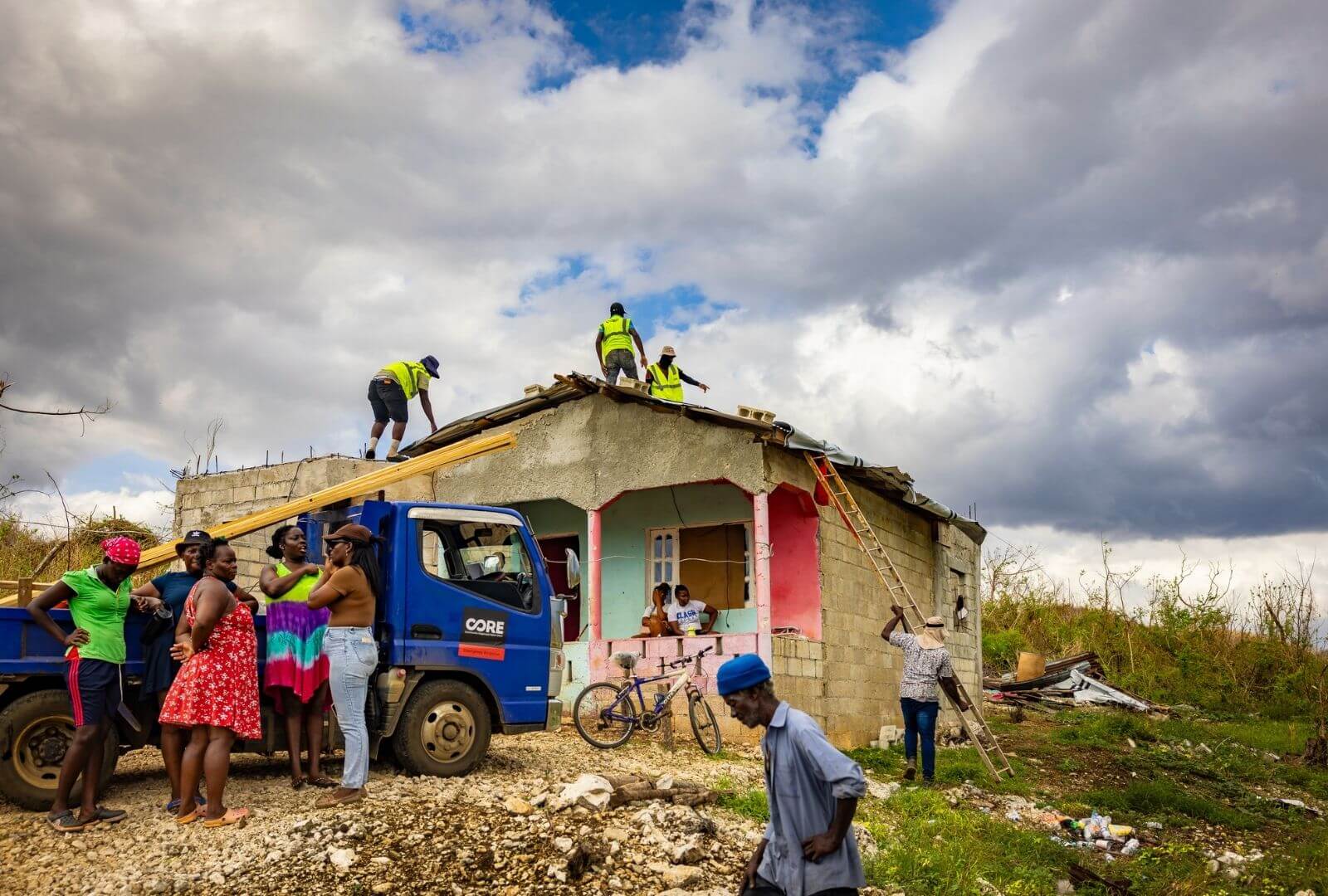
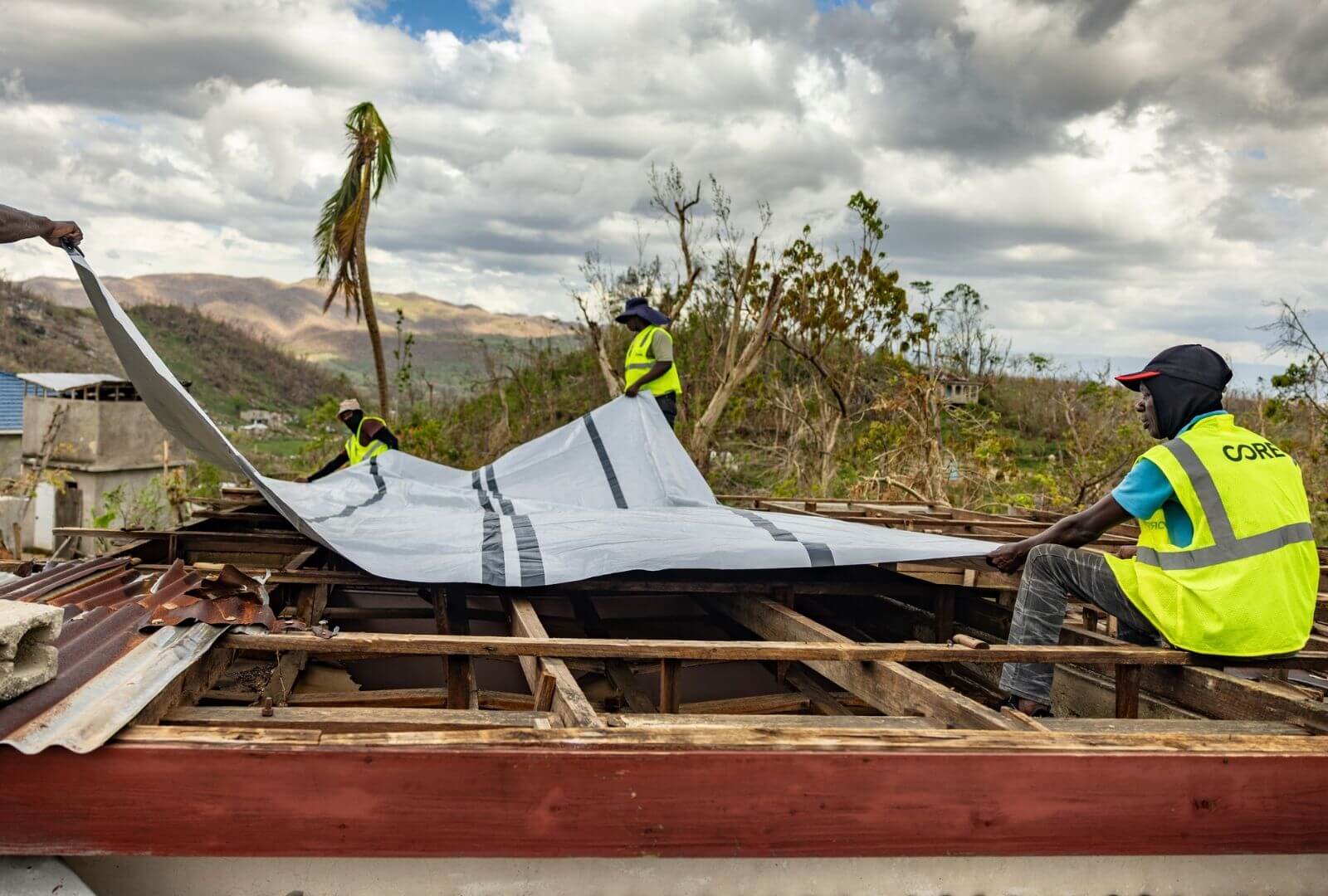
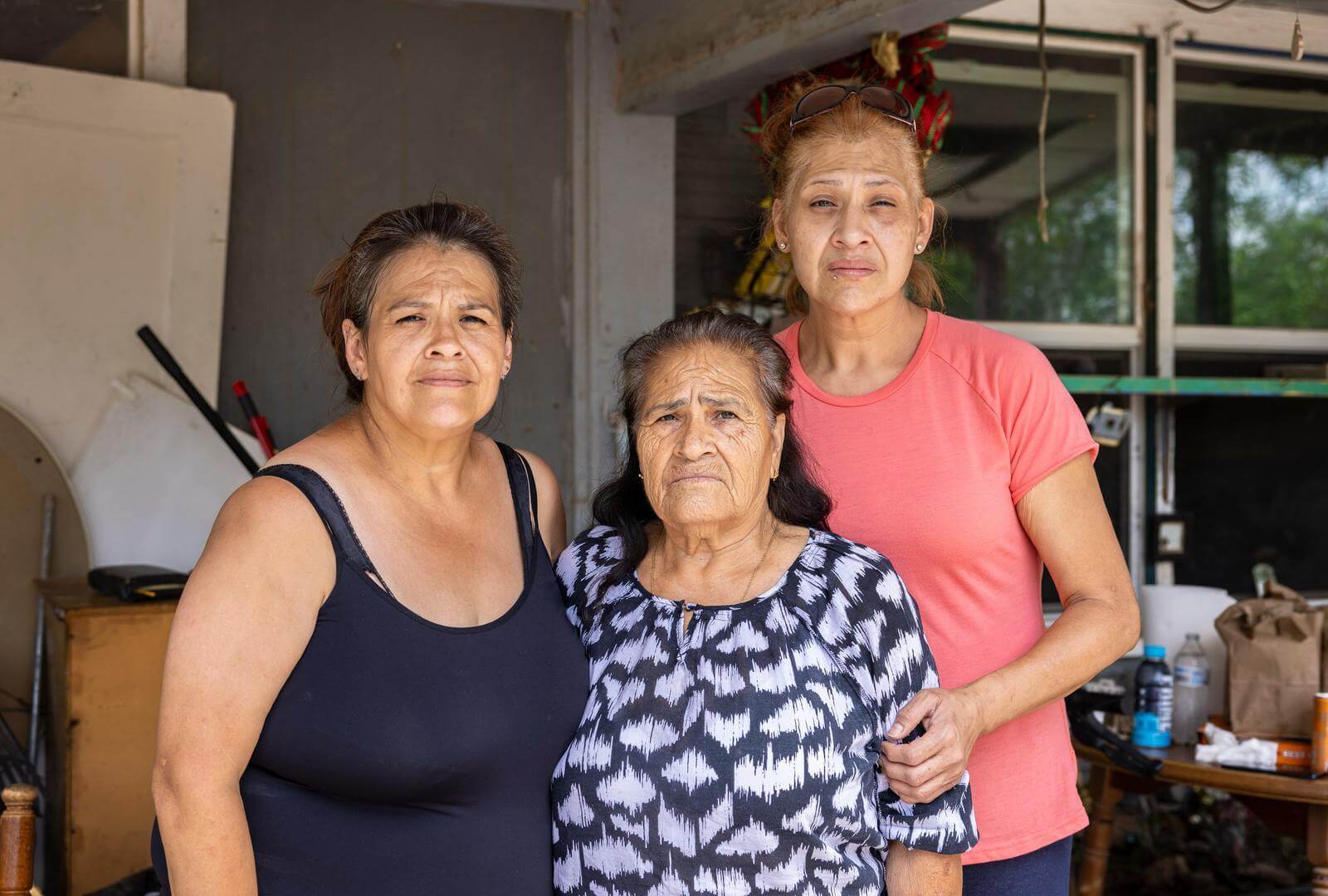
In the wake of Hurricane Melissa, the Middle Quarters Community Development Committee President is navigating damage to her own home. CORE helped by tarping her home, giving her family a dry, safe space as they began to recover. Read her story here

I’m seeing a ray of hope because supplies have been coming in. Today, I really want to say thanks to CORE and the team for giving us relief.”  

stashuana - hurricane melissa

Emergency Response | 2025 

What damage did Hurricane Melissa cause?

Jamaica

Hurricane Melissa made landfall in Jamaica on October 28th as a Category 5 storm, the strongest to ever directly hit the island nation. Torrential rain, storm surge, and sustained winds up to 185 mph slammed communities across the country, with the most severe devastation concentrated in St. Elizabeth, Westmoreland, Manchester, and St. James Parishes.  


The United Nations Development Programme (UNDP) estimates the storm resulted in roughly 5 million tons of debris (equivalent to nearly 480,000 truckloads) nationwide. Significant damage to homes and infrastructure like hospitals, roads, and bridges left many rural communities in western Jamaica isolated and without access to safe shelter, clean water, electricity, and essential medical services. Thousands of families are living in their damaged homes without even a single room to safely sleep in. Providing essential resources, repairing shelters, and clearing mud and debris from roads remain urgent priorities, even six months later.  


In coastal fishing villages, such as Alligator Pond, fishers lost their boats, traps, engines and other equipment vital to their livelihood. Meanwhile, in St. Elizabeth, known as the ‘breadbasket’ of Jamaica, the powerful storm destroyed crops and damaged irrigation systems, which will lead to cascading food shortages and insecurity throughout the country. These significant industry losses pose a major economic challenge for already vulnerable community members who rely on yield to earn money and feed their families.  

Haiti

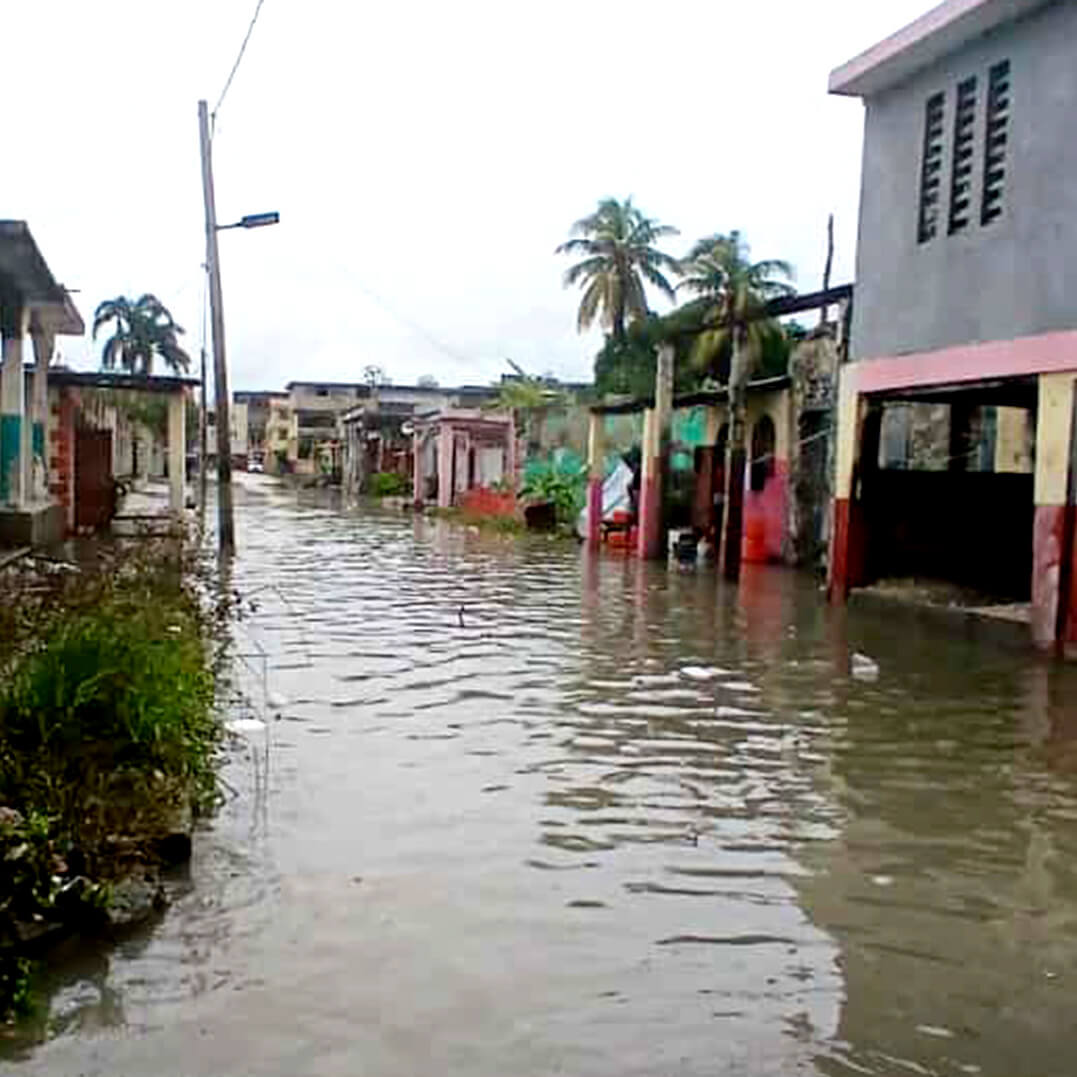
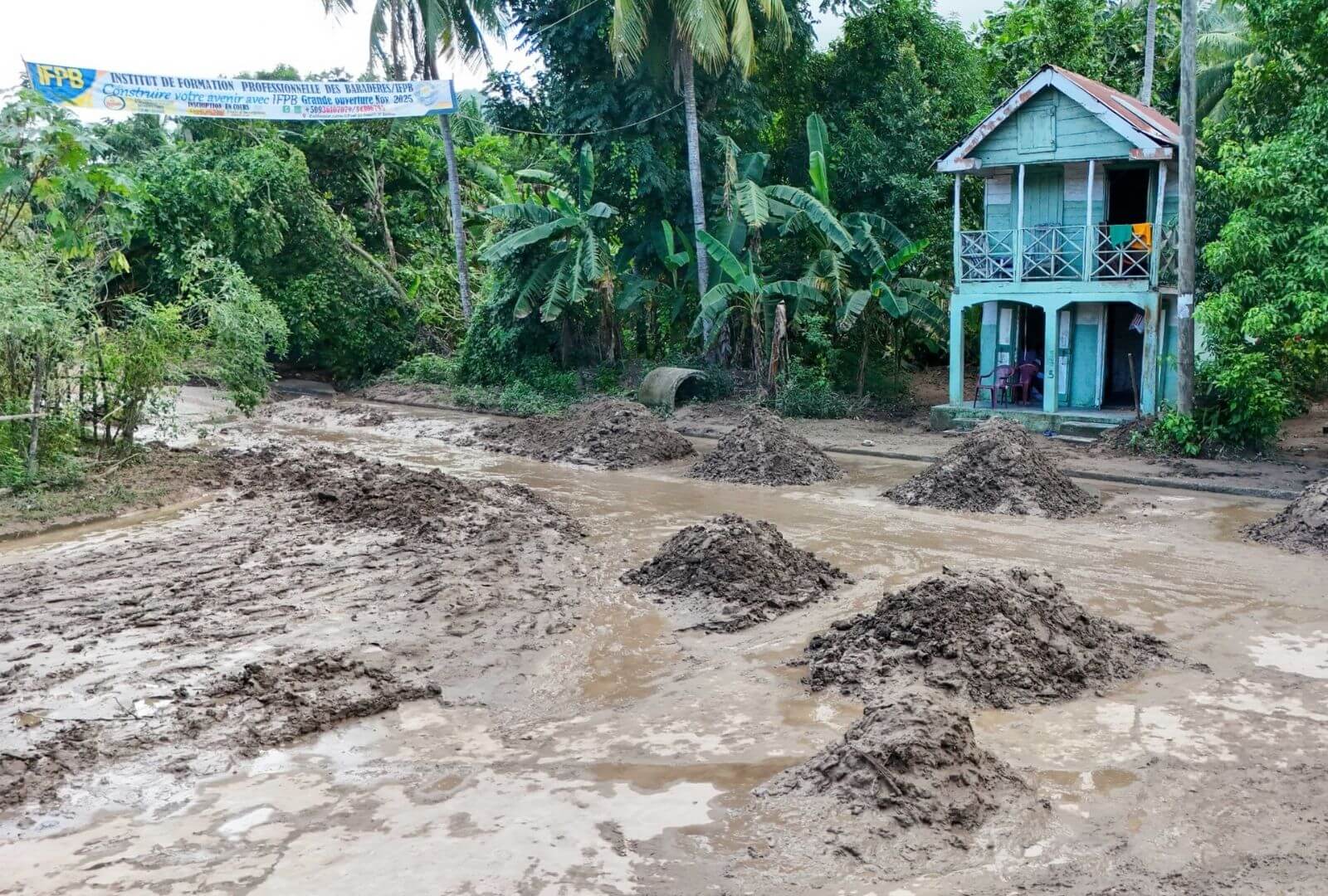
Heavy rains from Melissa caused catastrophic flooding and landslides in southern Haiti, destroying thousands of homes and claiming the lives of at least 43 people. Local roads in the south are still flooded, and supply chains and communications remain limited. This left community members displaced and without access to clean drinking water and other essentials.  


With longstanding programs in Haiti and extensive experience responding to storms in the Caribbean, CORE’s emergency response teams immediately mobilized resources and community networks in the region to meet urgent needs.
CORE’s Response in Jamaica 

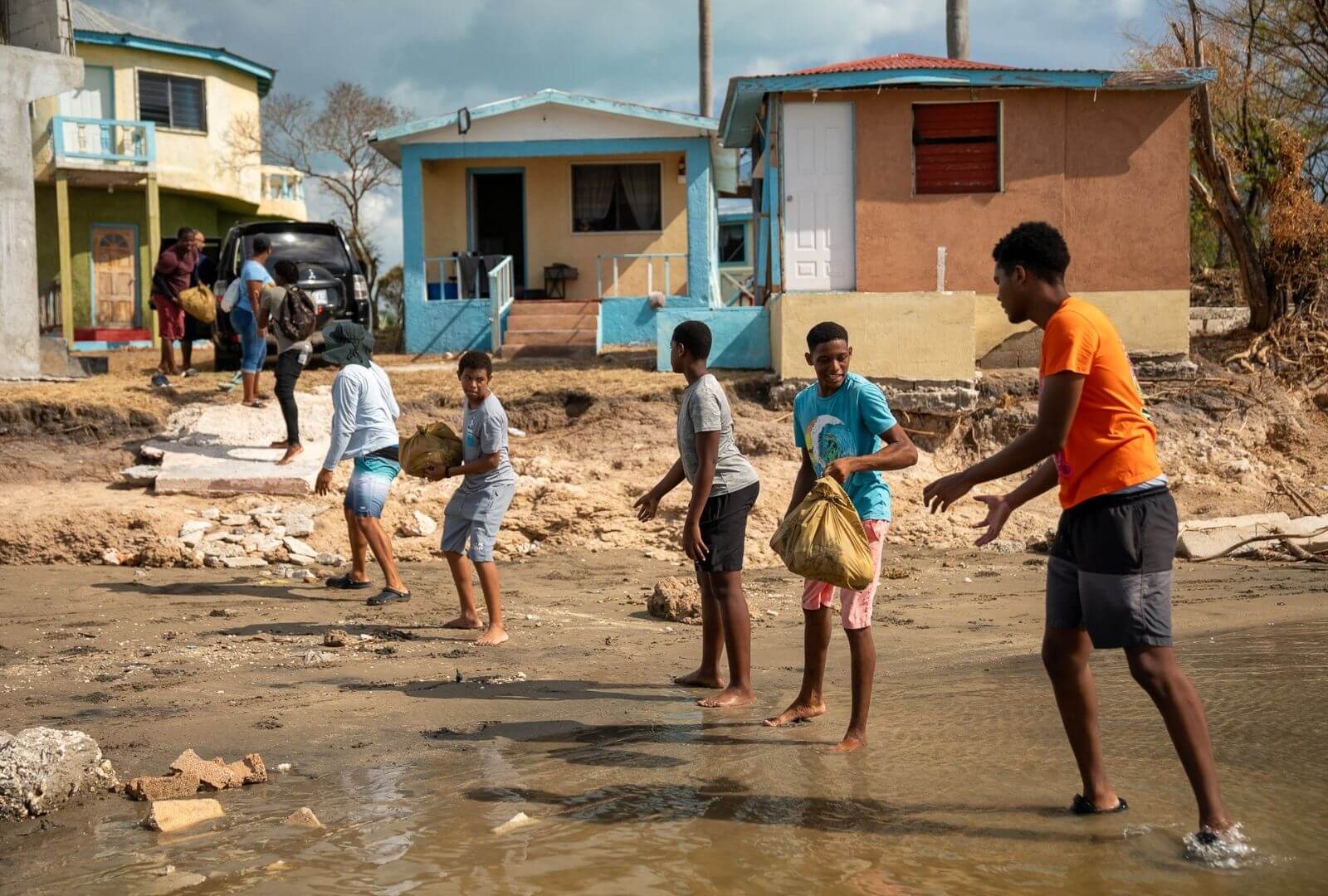
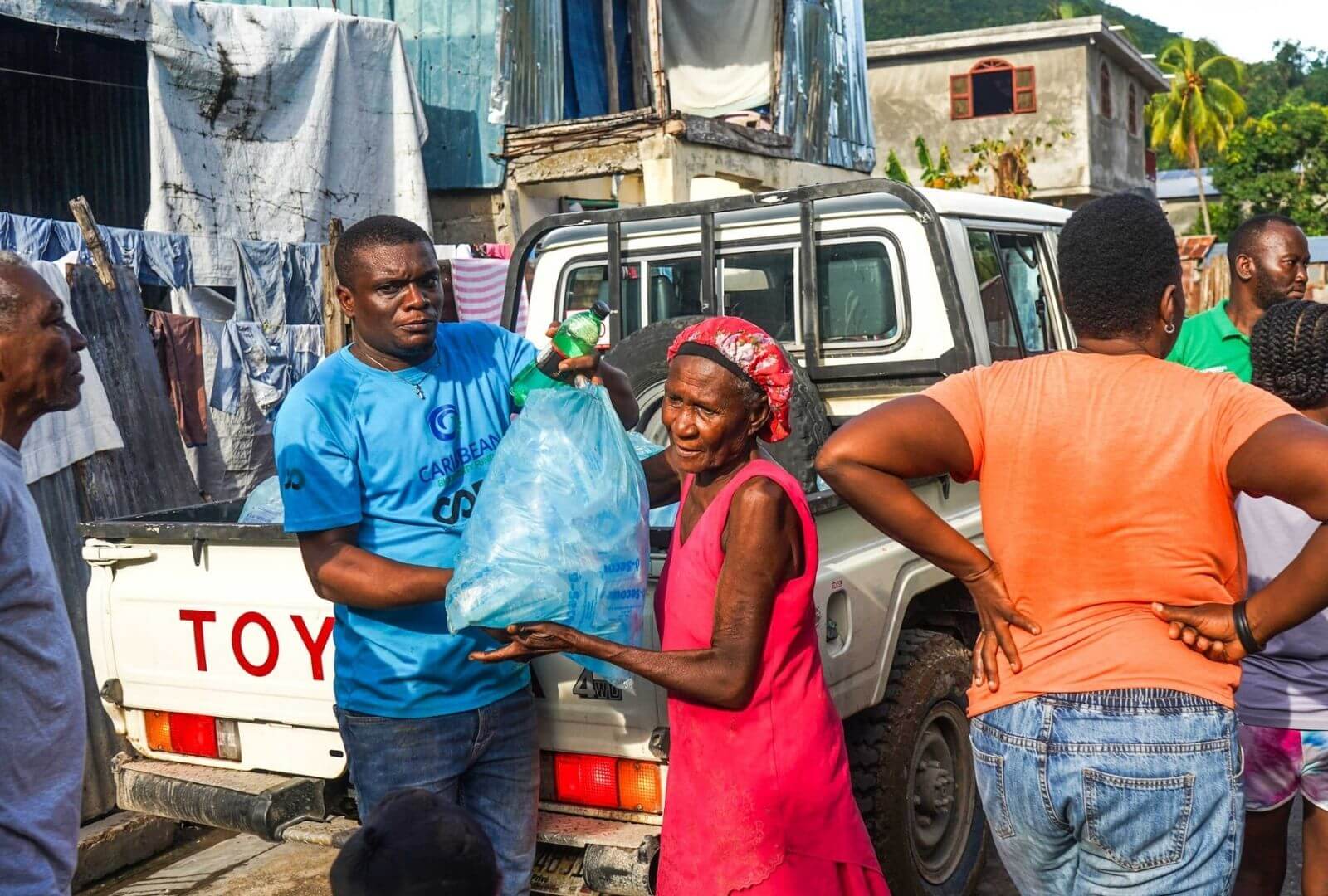
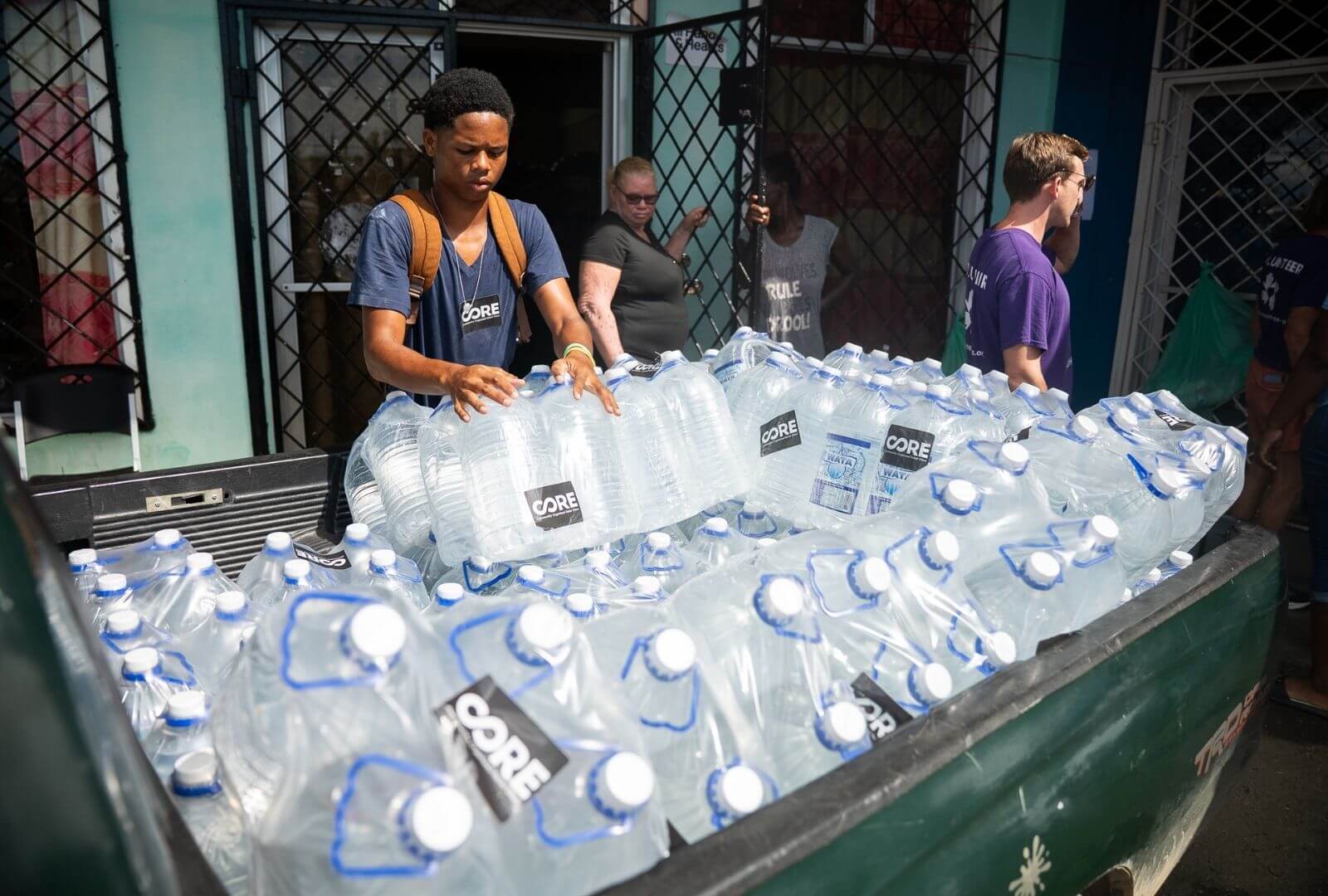
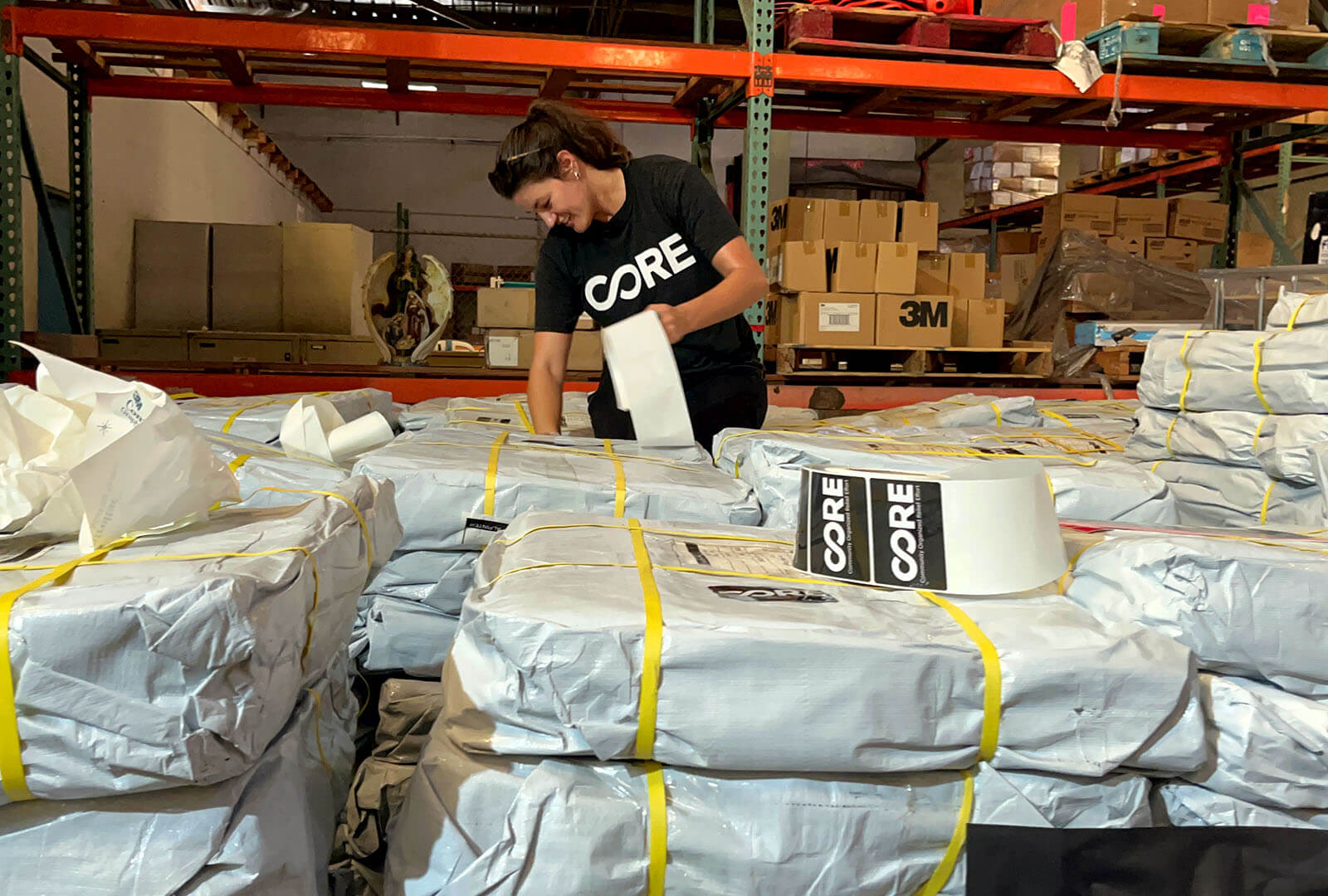
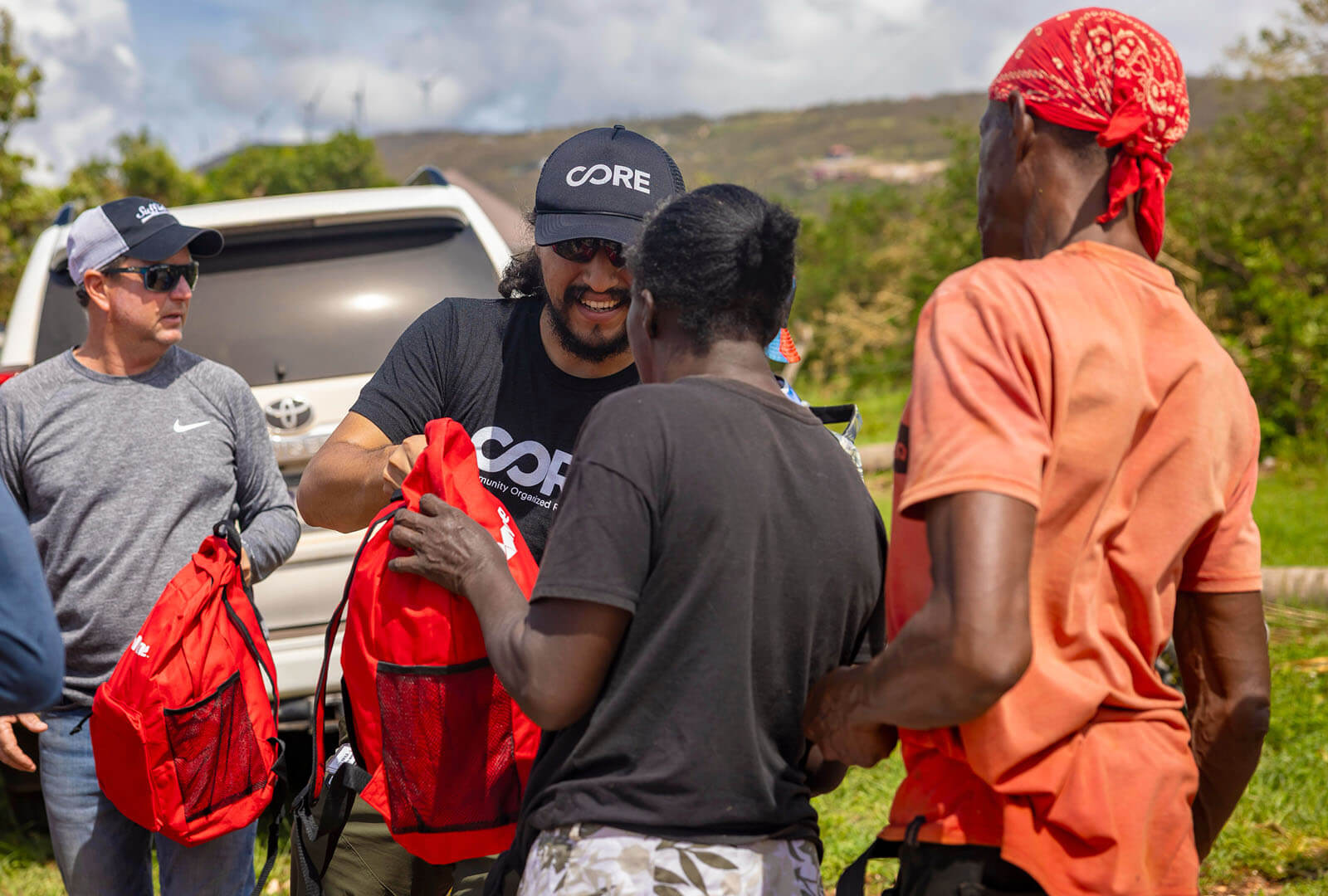
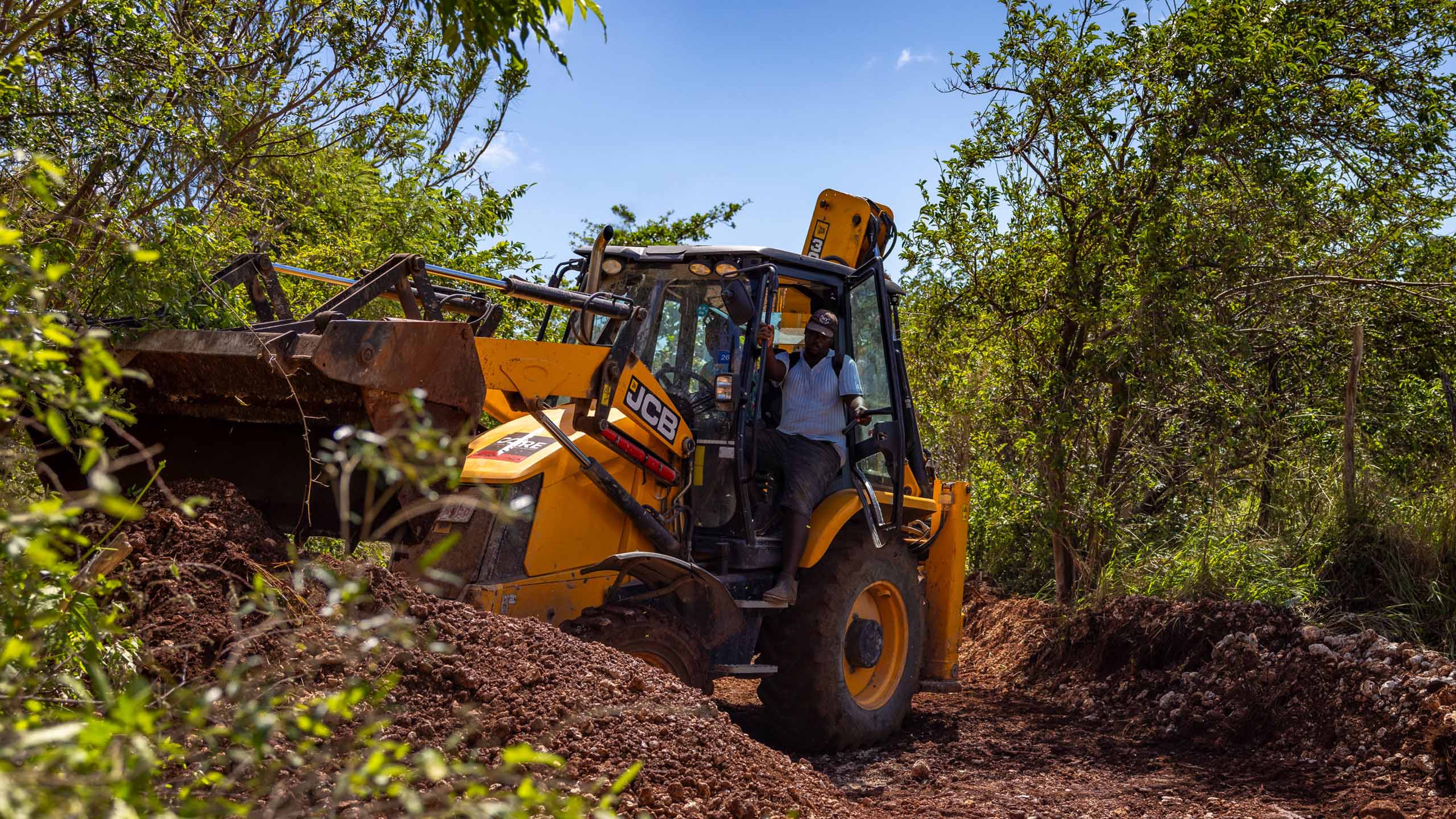
In the immediate aftermath of the storm, CORE’s emergency response team quickly mobilized to St. Elizabeth Parish to reach more than 20,000 people with critical support, including drinking water, rice, tarps, generators, and wellness checks. We also sourced heavy equipment on the island, cleared roads of debris and mud, and made vital repairs, including graveling, to reopen critical access to communities previously cut off by the storm.


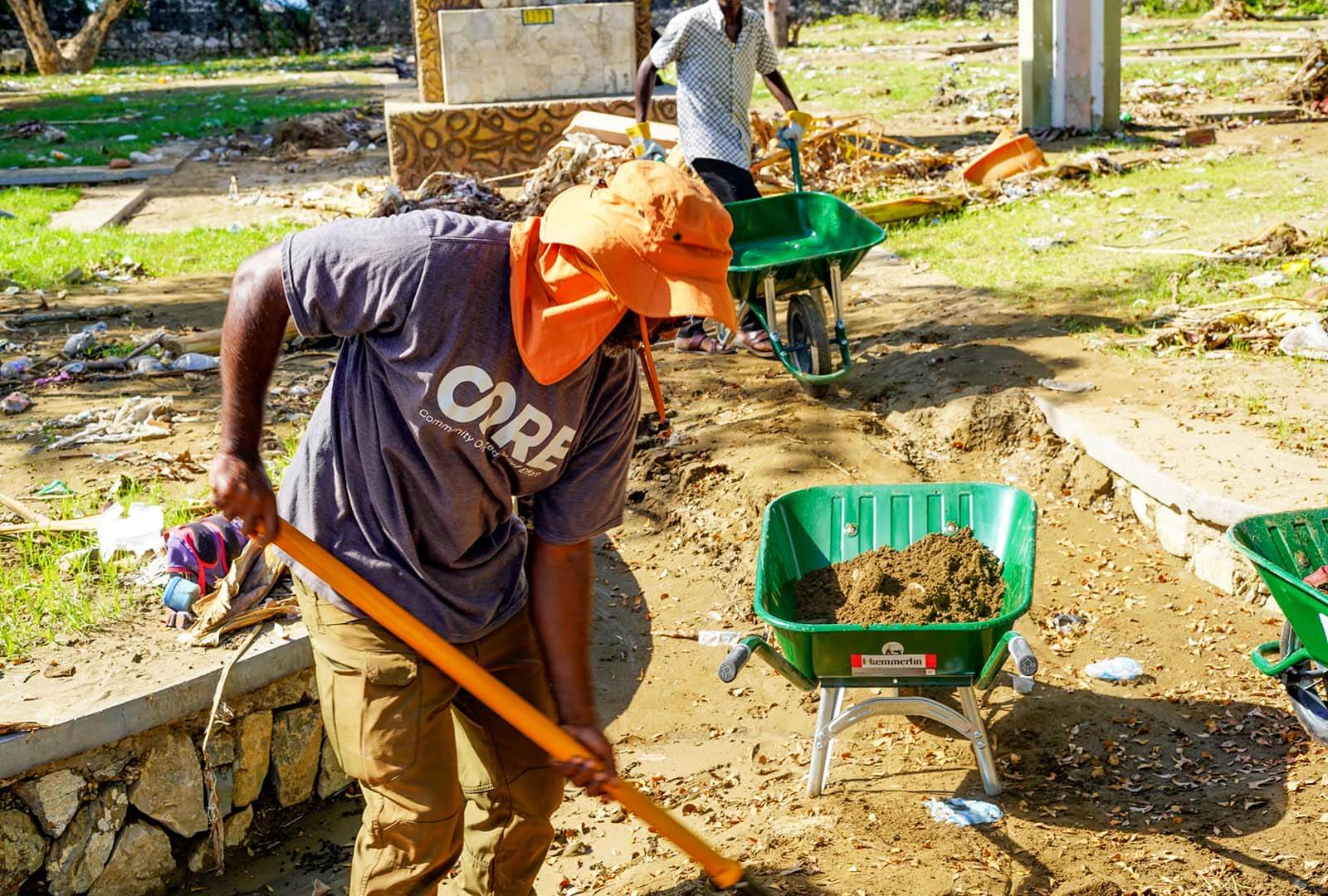
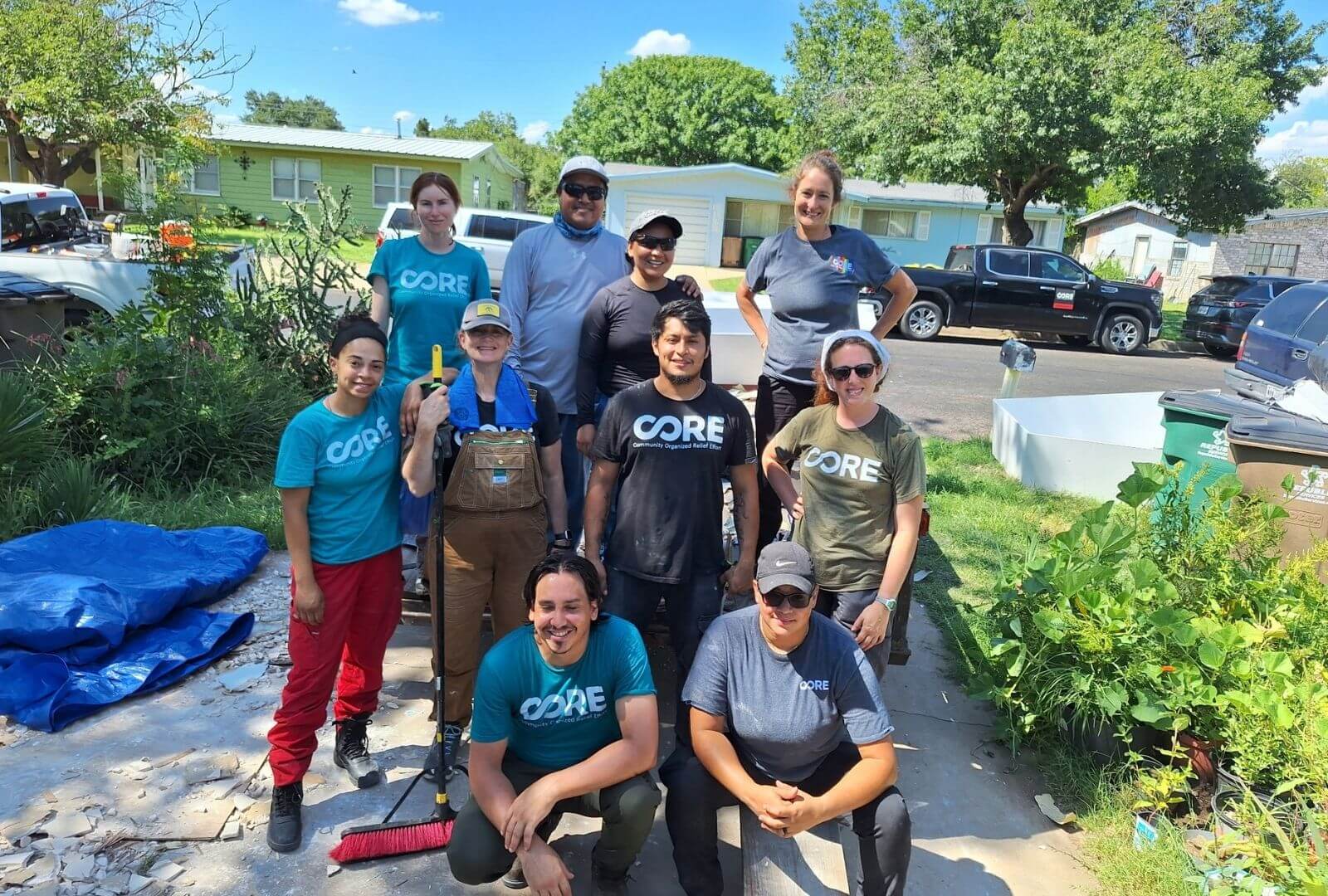
Six months later, CORE is still working to ensure vulnerable families are protected from the elements until full repairs can be completed. We’re tarping 200 damaged homes across St. Elizabeth Parish, prioritizing vulnerable households who need our support the most, including families with young children, the elderly, or people otherwise unable to complete the work on their own. We’ve also paid community members to clear debris that is still lingering in neighborhoods. 

CORE’s Response in Haiti

In Haiti, our local staff supported evacuating vulnerable people in coastal areas during the storm surge to higher ground via boat. The team also delivered hygiene kits from Les Cayes to impacted areas as access allows. In Baradères, where entire water systems are contaminated, CORE worked directly with the local government to distribute a week’s worth of water to 1,000 households. 


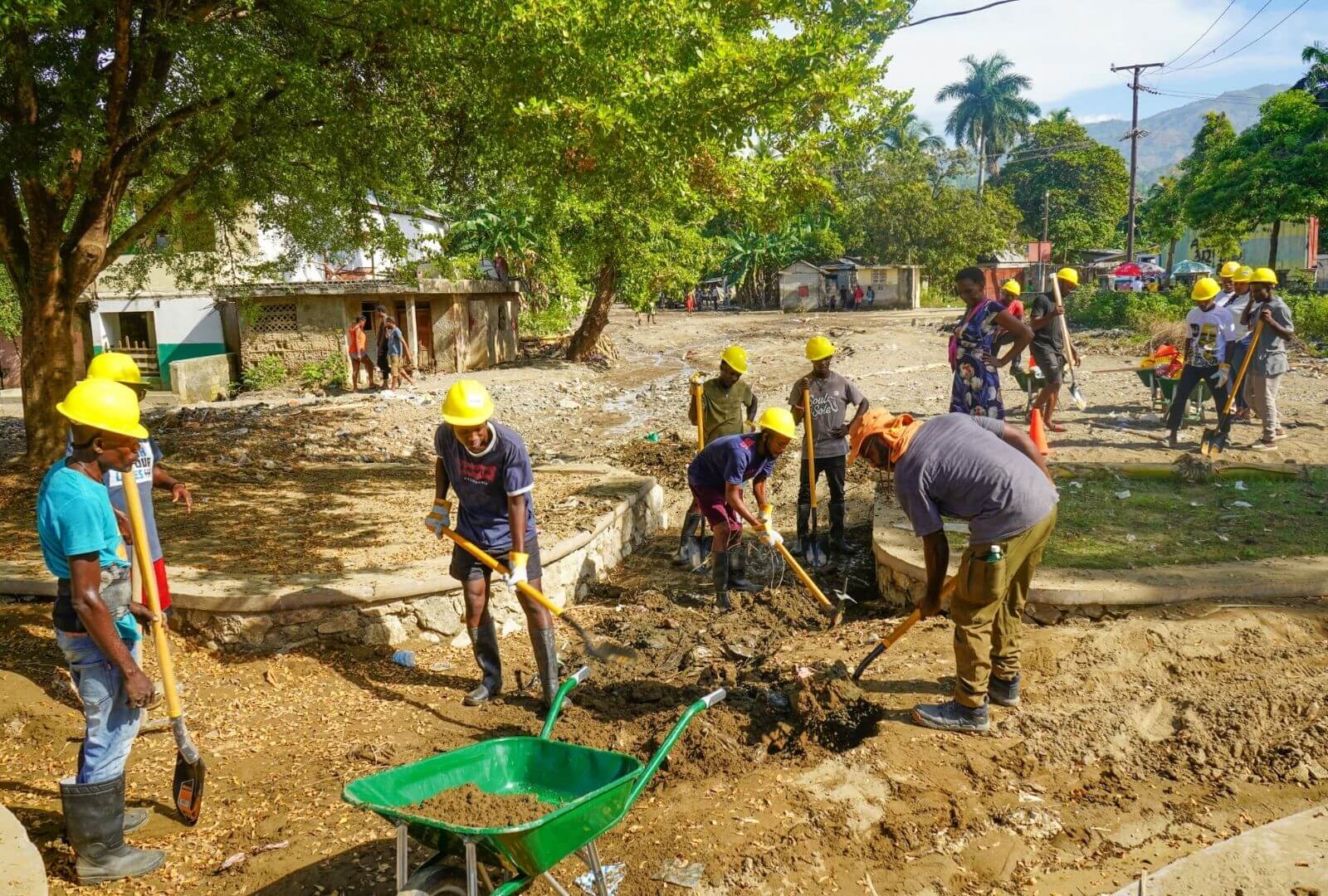
In Petit Goâve, at least 25 people were killed by flooding, and hundreds of homes were damaged or destroyed. Weeks later, water continued flowing into the community following the collapse of two rivers in the region. In coordination with the local municipality, our team launched a cash-for-work program to help redirect flowing water away from homes and buildings and restore safe access to the community. By employing local residents to complete the work, these initiatives provide immediate financial support while helping to reestablish stability and improve living conditions for the most vulnerable.

Explore the Gallery

Stories