

Disaster Case Management is a lifeline.
It’s that simple.
It’s been nearly two years since the Los Angeles fires, and two-thirds of people who lost their homes still aren’t back. The emergency may be long gone, but so many families are still lost in the long maze of rebuilding their homes and lives – and this isn’t a quick fix.
Have you ever tried to get something done with the city? Filed your taxes? Sat on hold only to be transferred to yet another department and told to start over? Now imagine doing all of that – the forms, the deadlines, the phone calls – after you’ve lost everything. That’s the reality facing so many of our neighbors in Altadena right now. And in moments like these, when people are exhausted and don’t know where else to turn, bad actors are often waiting to take advantage of these tough circumstances.
No one should have to navigate that alone. That’s why CORE’s Disaster Case Management Program exists – and why the work happening out of The Hub in Altadena matters so much.
So, how does Disaster Case Management (DCM) actually work?
It’s part guide, part advocate, part steady presence – and it looks a little different for every family. Here are three things to know:
DCM is not one-size-fits-all.
At CORE, we say it time and time again: no two people experience a disaster in the same way. There’s no one-size-fits-all checklist. Every family is navigating something different – maybe they lost their home or business, maybe their insurance isn’t covering everything it should, or maybe they’re a caregiver to an elderly family member. Case managers sit down with survivors, listen to what’s really going on, and build a recovery plan that addresses a household’s specific needs.
DCM provides support for the long haul.
Recovery is a marathon, not a sprint. What a family needs in the first weeks after a disaster looks very different from what they’ll need months, even years later. Think about it: early on, it might be emergency medication refills, or cash to cover groceries or a temporary rental. Later, it becomes rebuilding homes or settling insurance claims.
And the systems in between are often confusing and overwhelming to navigate alone. Case managers are experts at cutting through that complexity. They connect survivors with resources they may never have known existed, fill out paperwork, schedule appointments, and stay engaged to make sure the survivor’s needs get resolved.
DCM goes beyond logistics. It’s a holistic support system.
Disasters bring more than just physical and financial loss – they bring grief, fear, and uncertainty that can be just as hard to carry. Case managers become a steady, familiar presence in an otherwise chaotic time: someone to call when a claims adjuster won’t return a message, someone who remembers your story so you don’t have to keep retelling it, someone in your corner when it all feels like too much. That consistency is its own form of support.
Ultimately, case managers take on the heavy lifting so survivors can focus on what matters most: keeping themselves and their families safe and healthy, and getting back to the things they love.
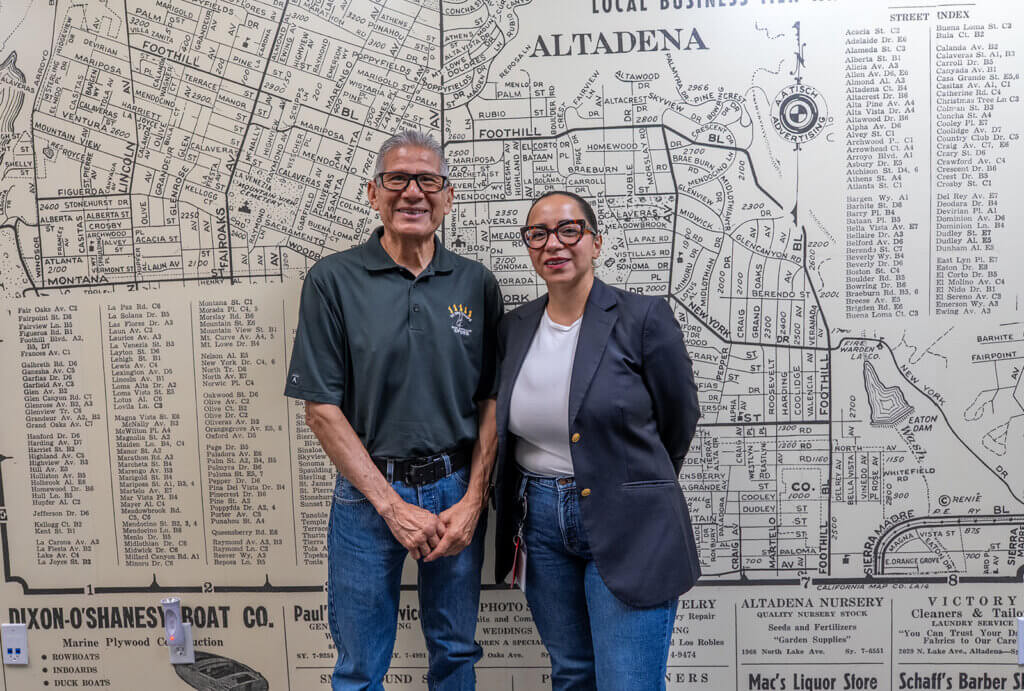
Meet Ruben.
When the smoke from the Eaton Fire cleared, Ruben was one of thousands of Altadena residents with no home to return to. CORE’s disaster case management program helped him secure the resources he needed to get back on his feet. Read more.
This is the quiet, unglamorous work of Disaster Case Management: showing up every day, for as long as it takes, so survivors don’t have to face this maze alone. It doesn’t make headlines, but it’s the difference between a family staying stuck and a family finding their footing again. Whether it’s here in Los Angeles or anywhere else affected by a disaster of this scale, the need for this kind of support isn’t going away anytime soon.
Help us keep this lifeline going. Donate today to support CORE’s Disaster Case Management Program, or learn more about how the program works and the families it serves.