

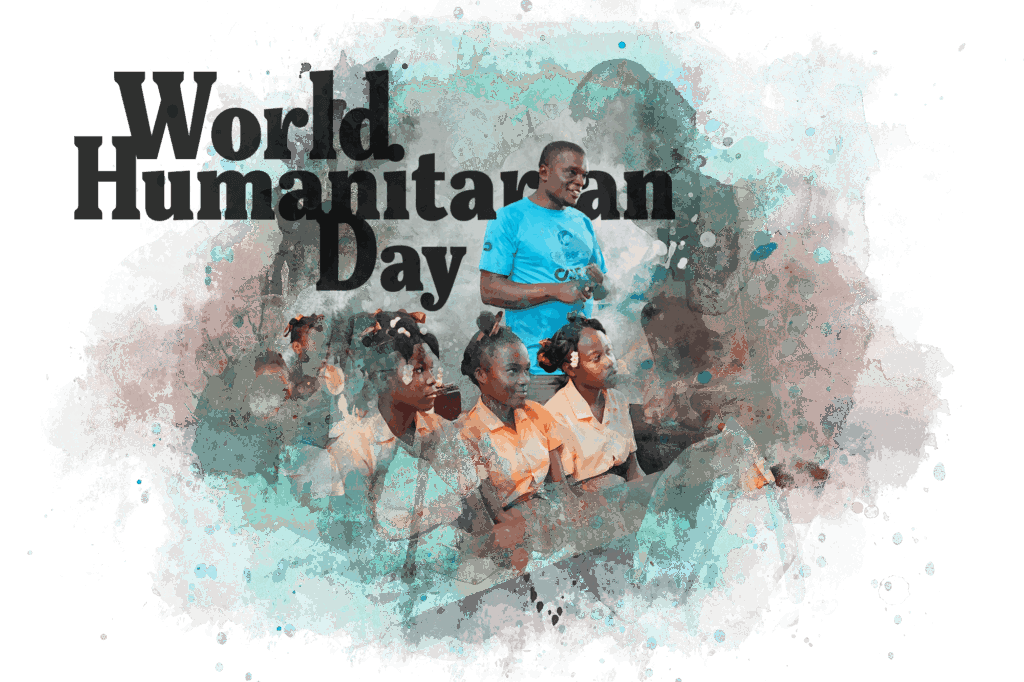
This World Humanitarian Day, the stakes have never been higher. More than 300 million people around the world are in urgent need of humanitarian assistance, and unprecedented attacks on civilians and humanitarian workers endanger those delivering support on the ground. At the same time, abrupt and unprecedented cuts to foreign aid have left humanitarian organizations, including CORE, with fewer resources to adapt to growing, complex crises. For the communities we serve, these cuts are a matter of life or death.
Despite shrinking resources and mounting risks, humanitarian workers, many of whom are affected by the very crises they’re responding to, continue to step up to the challenge. Their determination, courage, and resilience are the reasons CORE continues to reach communities with life-saving support.
This World Humanitarian Day, we recognize those on the frontlines of the world’s crises who risk everything to stand with people in their darkest moments.
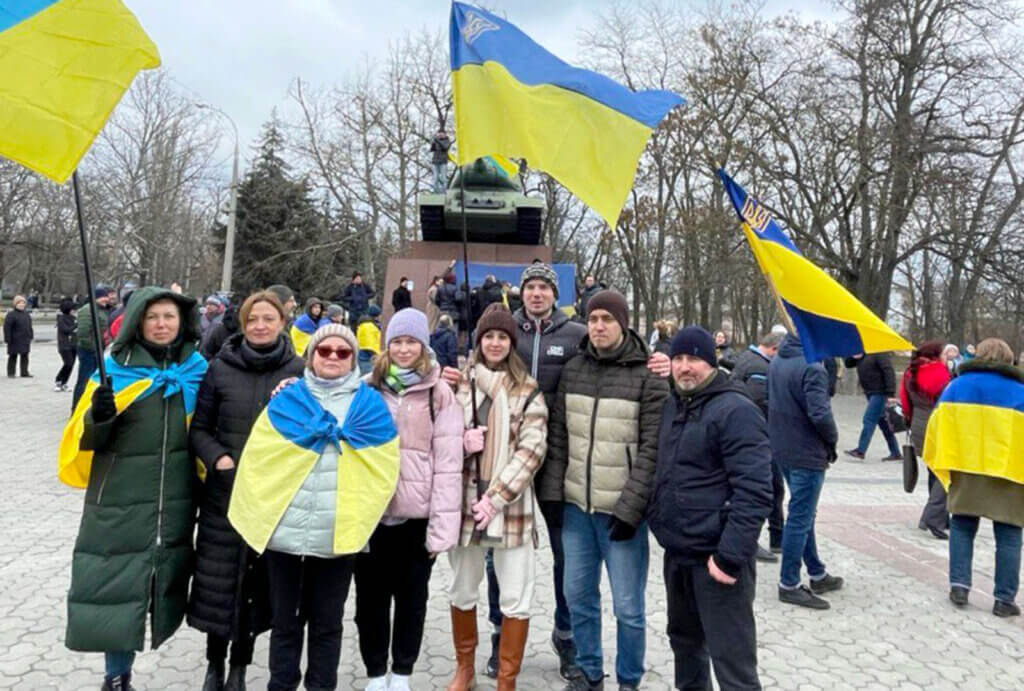
Meet Kateryna
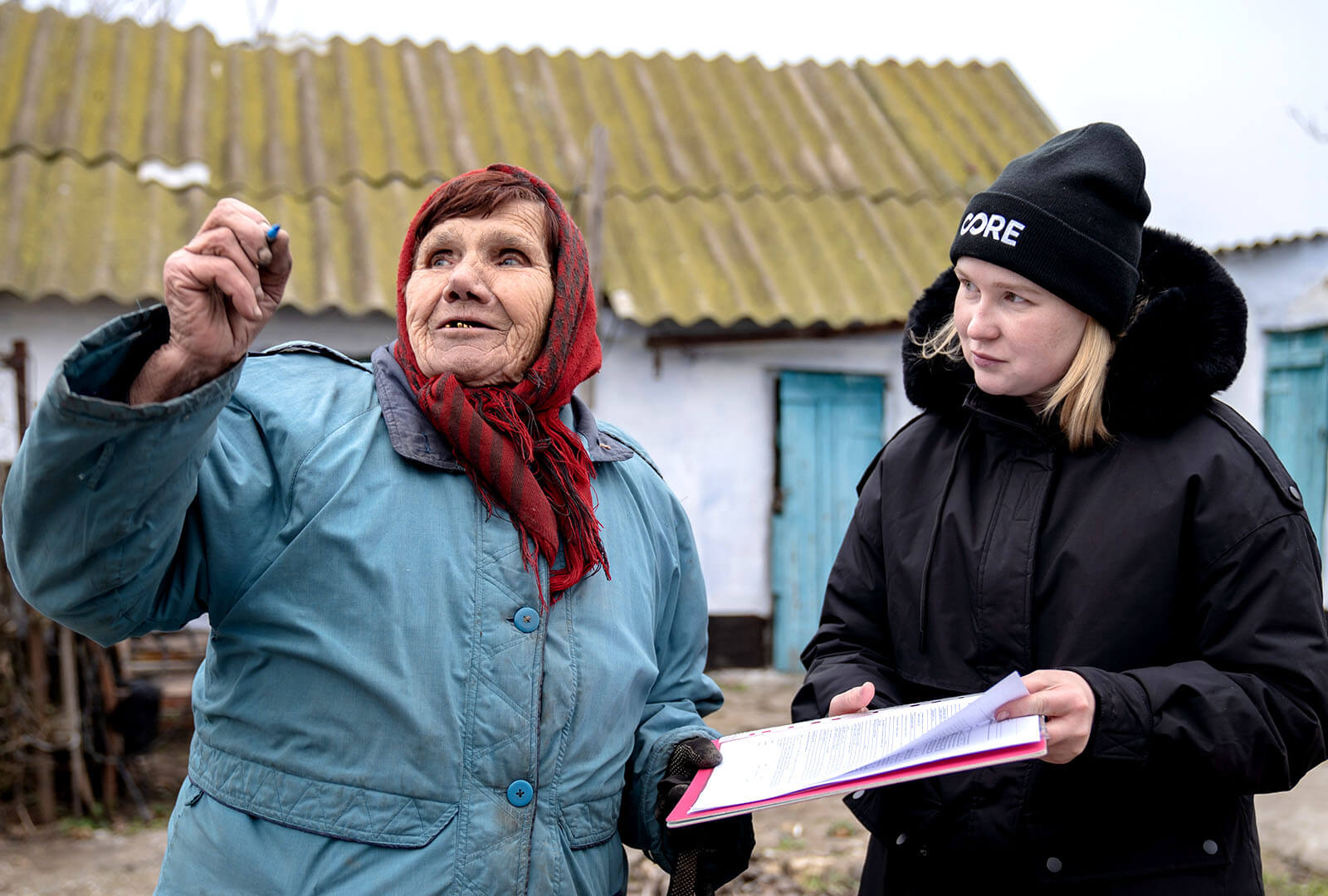
When Russian forces reached her hometown of Kherson, Kateryna—Katia, as her CORE colleagues call her—abandoned her home and lost her business. Once a taekwondo studio owner, she’s now a dedicated humanitarian worker in Mykolaiv, helping others rebuild their lives after enduring years of conflict. For more than a year, Kateryna and the Ukraine team have led projects to restore homes, schools, and hospitals damaged by the ongoing war. Read her story.
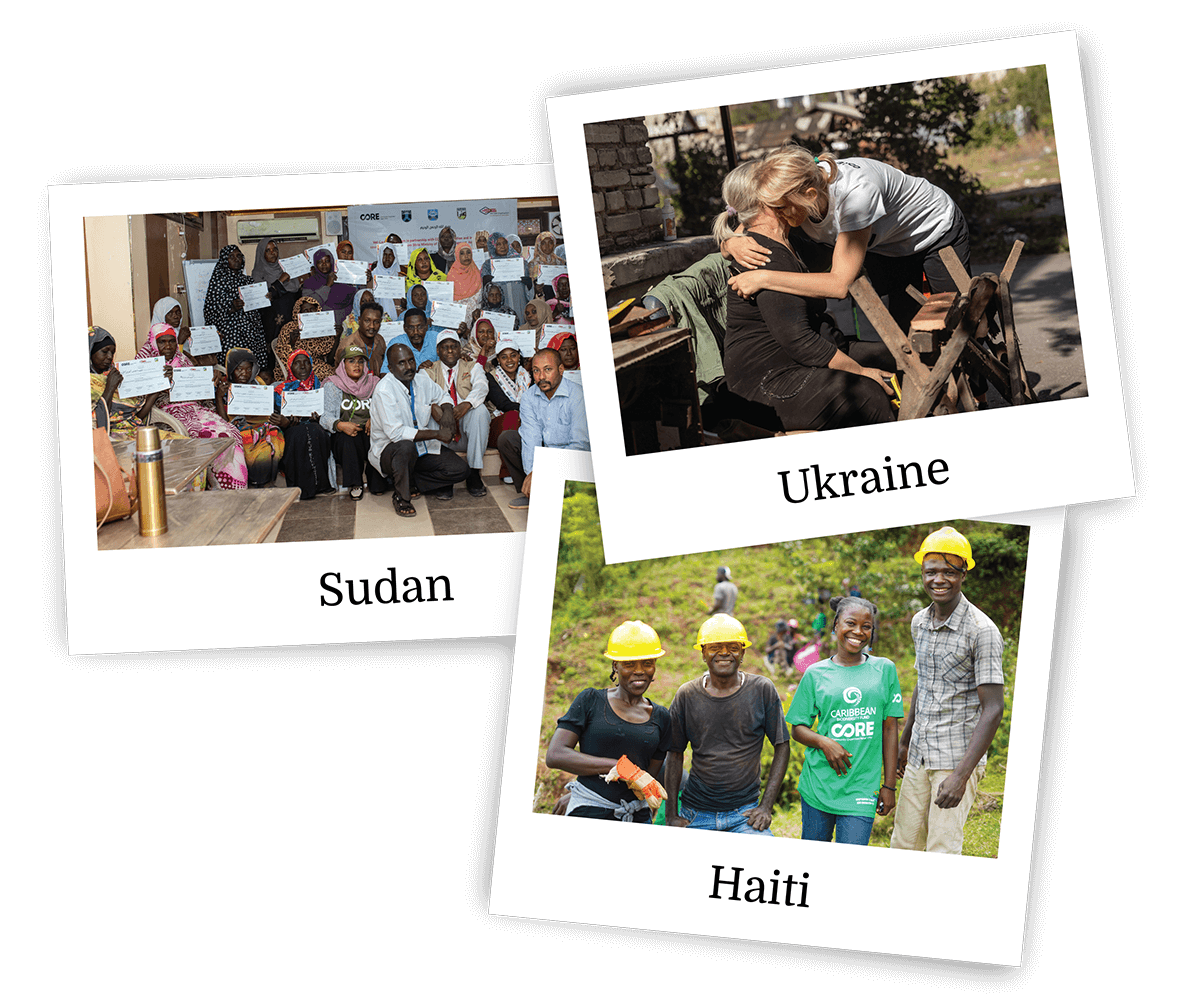
CORE’s humanitarian footprint
In a violation of international laws, civilians and humanitarian workers have increasingly been the target of attacks in emergency contexts. According to the UN, 2024 was the deadliest year on record for humanitarian workers, and 2025 is on track to be worse. Simultaneously, the destruction of hospitals, schools, and other civilian infrastructure devastates communities for generations.
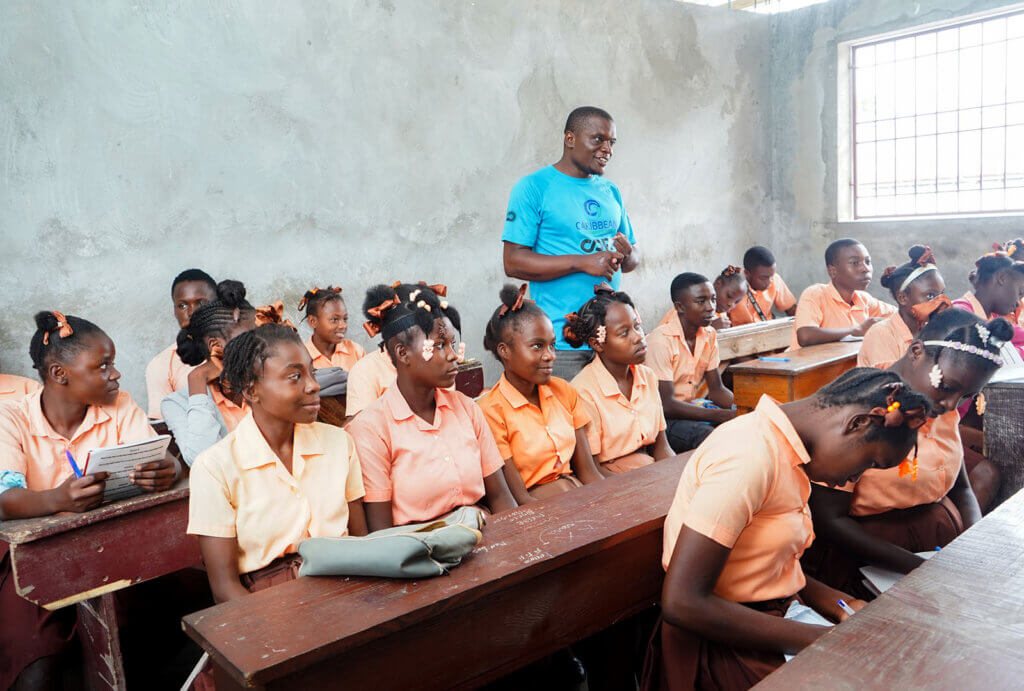
Despite facing innumerable challenges, our colleagues in Sudan, Haiti, and Ukraine continue to find innovative solutions to reach the most vulnerable people with life-saving necessities. In Sudan, CORE’s team of local experts and dozens of community-based organizations utilize cash assistance to protect and empower women and their families amid the world’s worst humanitarian and displacement crisis. Adapting to a local climate crisis and rising food insecurity, our local staff in Haiti is investing in community-level agricultural education to help Haitians provide for their families and protect their communities for years to come. And in Ukraine, despite ongoing bombings and disruptions to power, our resilient team is finding ways to safely get kids back into schools, restore water systems, and rebuild communities after three long years of war.
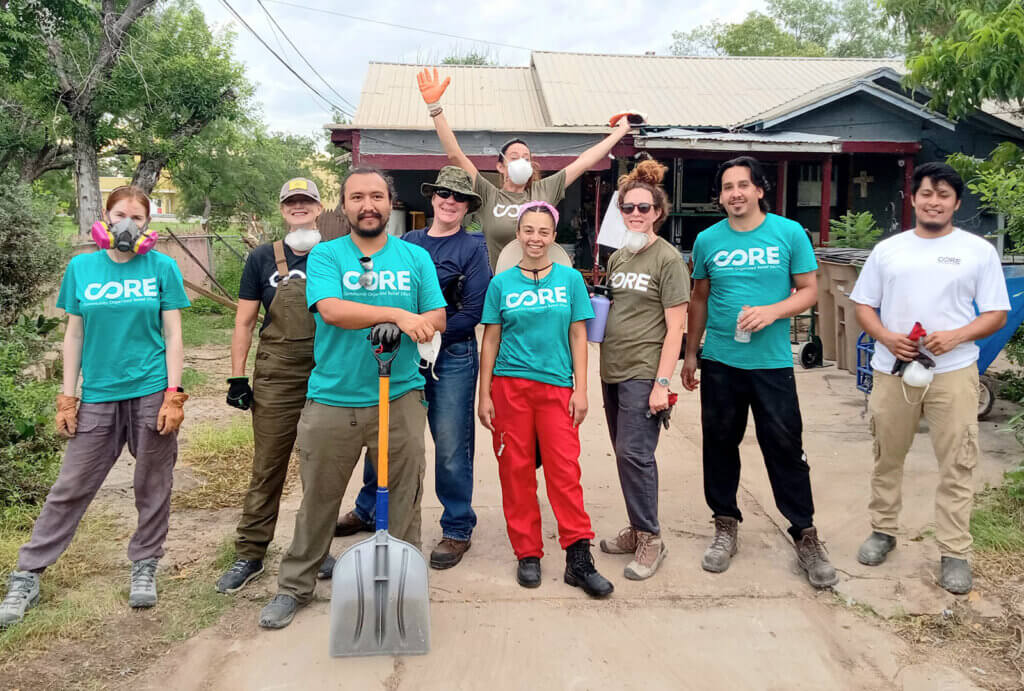
It takes tremendous physical and emotional strength to answer the call to serve vulnerable people in and beyond crisis in the current context. And every day, our teams, along with humanitarians across the globe, do so with courage, empathy, and compassion. Join us today in recognizing the incredible work that humanitarians do and their invaluable role in empowering communities worldwide.
ABOUT WHD
On 19 August 2003, a bomb attack on the Canal Hotel in Baghdad, Iraq, killed 22 humanitarian aid workers, including the UN Special Representative of the Secretary-General for Iraq, Sergio Vieira de Mello. Five years later, the United Nations General Assembly adopted a resolution designating 19 August as World Humanitarian Day (WHD).
Each year, the United Nations Office for the Coordination of Humanitarian Affairs (OCHA) decides a theme for WHD, bringing together partners from across the humanitarian system to advocate for the survival, well-being and dignity of people affected by crises, and for the safety and security of aid workers.
This year, WHD confronts the normalization of attacks on civilians, including humanitarians, and impunity under International Humanitarian Law (IHL). Join their call to end these violations and help pressure parties to conflict and world leaders to take action to ensure the protection of civilians, including humanitarians, in conflict zones. Share your support and spread the word using #ActForHumanity.
ABOUT CORE
CORE’s mission is to empower communities in and beyond crisis. Our vision is a more equitable world in which underserved communities are prepared and can effectively respond to crisis from within. When a crisis strikes, CORE responds immediately to fill gaps, mobilize resources, and establish trust and collaboration from within communities to empower them to break these vicious cycles.