


What evidence do we rely on when we provide direct financial assistance to communities in crisis?
Cash is CORE’s (Community Organized Relief Effort) preferred modality of assistance. In 2025 alone, CORE distributed USD 5.63 million in cash assistance reaching 176,572 individuals in 5 countries. Cash assistance is one of the most rigorously tested and effective modalities of assistance. Across CORE’s three pillars—emergency response, climate resilience, and health access—CORE has documented learnings on the effectiveness of its programs. The evidence shows that cash delivers immediate relief, supports recovery, and strengthens household resilience. The evidence of cash-based assistance is large and grounded in rigorous causal and meta-analysis:
- The best modality of assistance to improve people’s lives and well-being: cash assistance typically improves people’s lives by reducing poverty and hunger, supporting better health and education. A systematic review of 165 studies in low and middle-income countries finds that cash transfers consistently reduce monetary poverty and improve key welfare indicators such as food consumption and basic needs. Across sub-Saharan Africa, the meta analysis of 53 cash programs resulted in improved nutrition, healthcare use, and overall quality of life and reduced child labor and sexual risk behaviors by acting on social determinants like income, schooling, and social capital.
- Cost-efficiency: Studies consistently find that cash transfers are usually more cost‑efficient to deliver than other aid types. A Campbell systematic review of humanitarian cash program found that unconditional cash has the lowest cost per participants, vouchers are next, and in‑kind aid is most expensive. Cash aid is at least 25% more efficient than in-kind humanitarian aid, mainly due to higher administrative and logistics costs. Comparative evaluation of four Randomized Control Trials (RCT) showed that, when impacts are similar, cash is usually cheaper to deliver than in‑kind, though total costs still depend on scale, markets, and logistics. Larger programs and those in high‑price contexts tend to have lower cost‑transfer ratios, reflecting economies of scale.
- Multiplier effect and impact on local economies: Cash has a larger multiplier effects, meaning each dollar injected creates more than a dollar of additional local income or output, especially where markets have spare capacity. The analysis of large-scale RCT in Kenya found that each USD 1 of cash can generate more than USD 2 in local economic benefits and vouchers up to USD 1.50. Non-recipients (neighbors, local firms) benefit from spillovers via higher demand, more sales, and sometimes higher wages
- Limited evidence of negative impacts: cash assistance does not generally increase consumption of “temptation goods” (e.g., alcohol or tobacco) and may even slightly reduce it. A global review and meta analysis of 19 studies found that cash transfers, on average, reduce spending on alcohol and tobacco, with most studies showing either no change or a decrease. On work, a major meta-analysis of cash transfers finds limited evidence of reduced adult work effort; most programs show no meaningful decline in labor and sometimes increased self-employment or business investment.
Want to learn more about CORE’s commitment to cash and explore our technical briefs? Visit the Cash and Voucher Assistance home page.

Cash as the Cornerstone of Emergency Response and Preparedness
Significant evidence shows that cash is one of the most effective tools for emergency response and household stabilizer. A large meta-analysis of 108 studies found that cash improves household food security and diet quality and protects assets. Case studies after earthquakes, tsunamis and hurricanes show that cash-for-work helps repair housing, support livelihoods, and speed up early recovery.
Timing and predictability of cash are critical. Anticipatory transfers delivered before shocks are particularly effective. Experimental evidence from Nigeria and Bangladesh showed that anticipatory cash led to more preemptive adaptive actions, fewer negative coping strategies, more investment in productive assets, and larger reduction in stress and anxiety during and after the shock.
Cash assistance can also be an important enabler of household return and reconstruction and can speed up perceived recovery after shocks, especially when combined with technical support. Cash provides flexibility for households to allocate resources according to the specific damage and priorities they face (e.g., repairing roofs, replacing lost assets). In Fiji (Cyclone Winston), top-ups cash transfers to poor households increased the likelihood that households reported quicker recovery from disaster impacts, which includes housing and asset restoration. Evidence from RCTs also demonstrates that cash increases investment in durable goods and housing improvements.

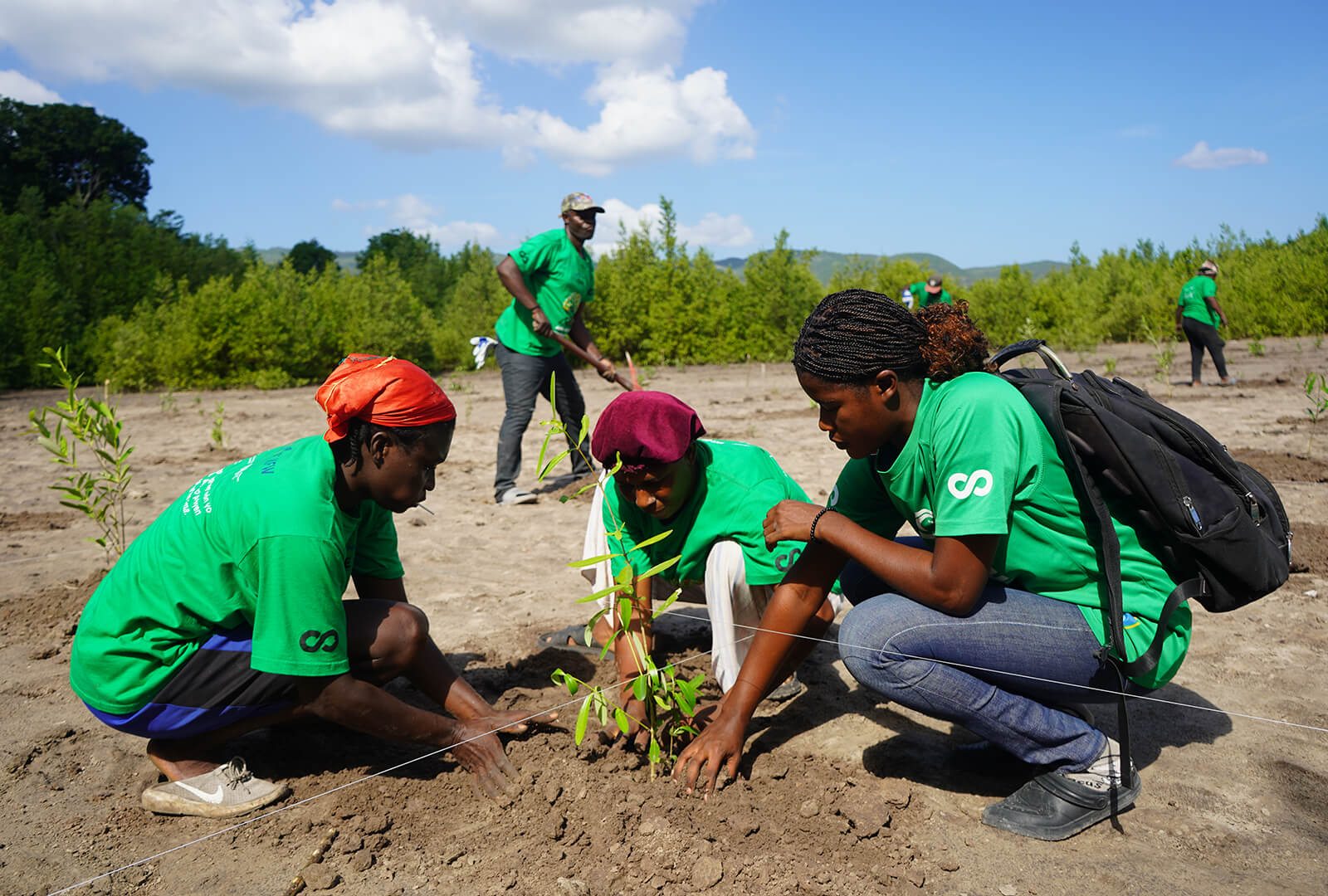

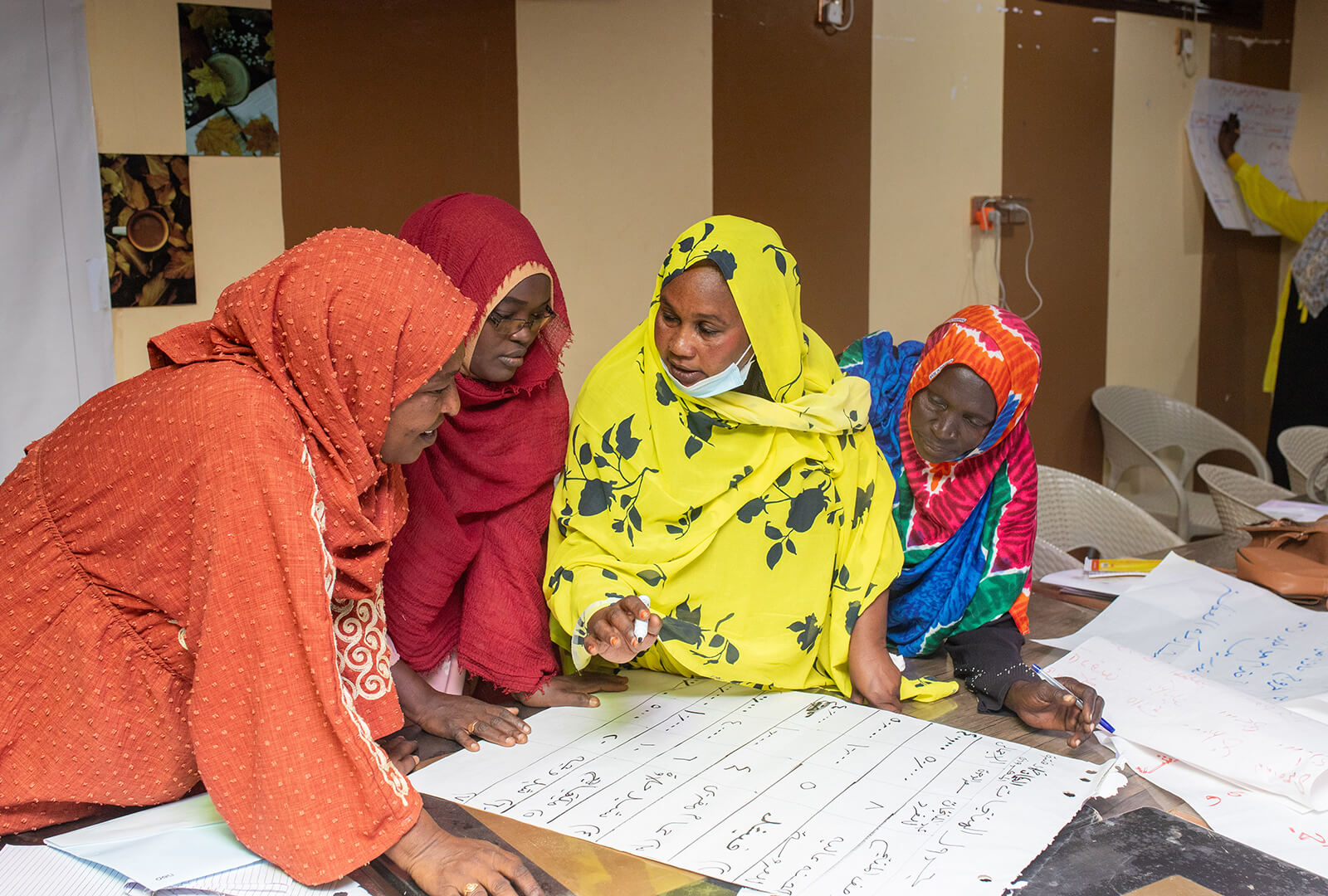

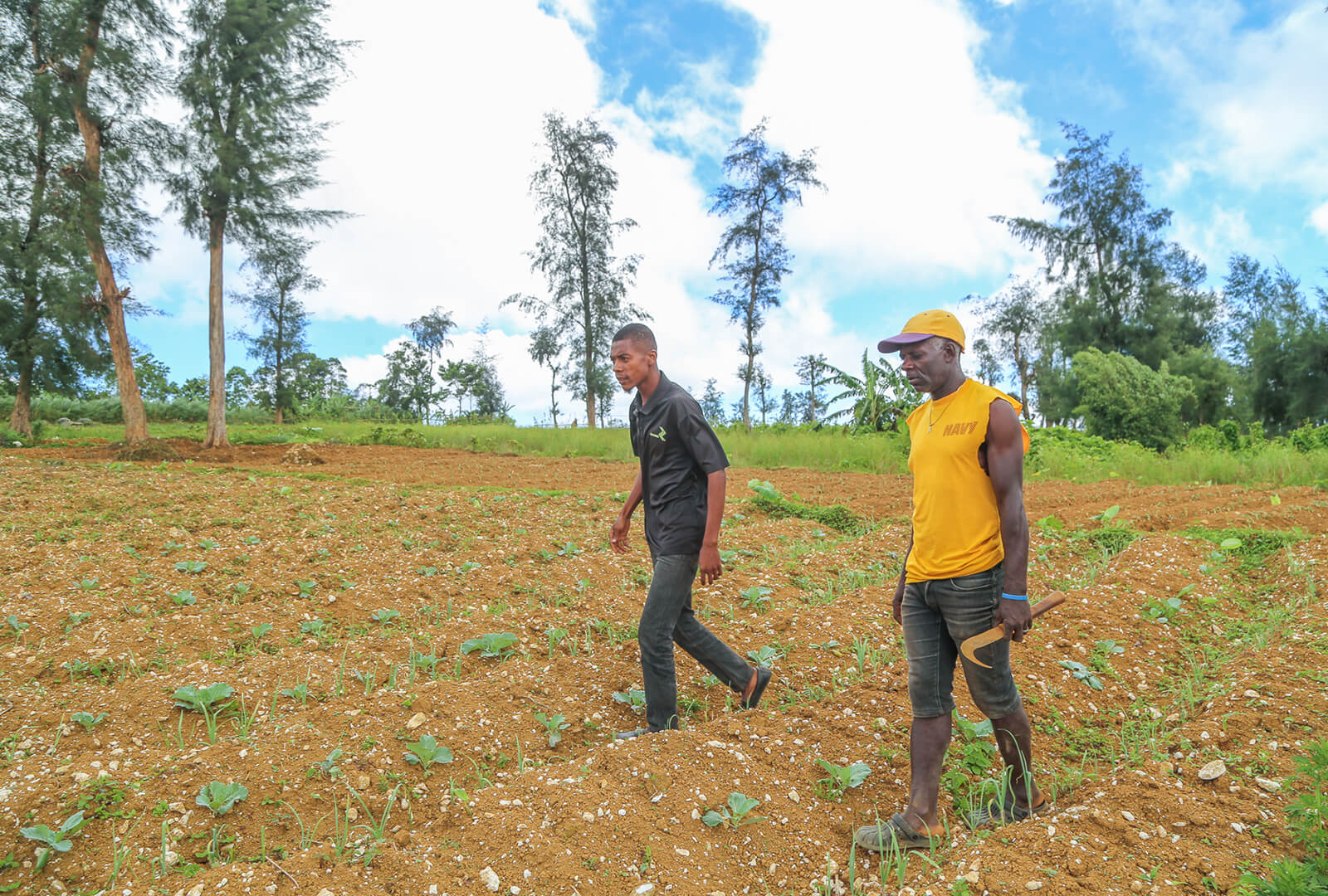
Cash Addressing Climate Change
Cash assistance generally improves households’ immediate ability to cope with climate shocks by smoothing consumption, protecting assets, and reducing negative coping strategies. Evidence shows the strongest climate resilience gains appear when cash is combined with complementary interventions and risk informed design. A meta-analysis in sub-Saharan Africa found that cash transfers improved food security, savings, and decreased the need to rely on adverse risk coping mechanisms, with clear benefits even in the presence of weather shocks and biggest gains for the poorest households.
Cash can also be used to pay landholders to conserve or restore ecosystems that provide benefits like clean water, carbon storage, and biodiversity. This model is known as Payments for ecosystem services (PES). The evidence suggests that PES schemes reduce deforestation and/or increase forest cover in Mexico, Cambodia and Brazil. Water and soil services (e.g., water quality, erosion control, local climate regulation) also improve under PES schemes.
Cash in Support of Health Access
Cash has been shown to improve access to and use of health services by reducing financial barriers. Effects are strongest when transfers are right-sized, predictable, and linked to health needs. A health outcomes meta analysis of 34 studies in low-income countries in Africa, the Americas and South‐East Asia found that cash reduced recent illnesses and improved food security and diet, indirectly supporting health. In humanitarian settings, most studies find some positive impacts on both health outcomes and health service utilization. In the U.S, an RCT of $1,000 per month for three years resulted in greater use of hospital and emergency department care and increased medical spending.
For more targeted outcomes, a global meta analysis concludes that cash transfers typically increased use of services they are tied to (e.g., checkups). A systematic review found a small to moderate increase vaccine uptake, especially when targeted to low-income households. In addition, a large meta-analysis of 17 RCTs in low- and middle-income countries and a meta analysis of 45 studies found improvement in mental health and subjective well-being.
Technology Enhancing the Speed, Precision and Scale of Cash Delivery
Advances in digital technology and AI are further increasing the speed, precision, and scalability of cash assistance. Across 18 cash and voucher programs, digital tools improved timeliness of transfers and reduced manual steps in identification, payment, and monitoring. Mobile money transfers in Niger reduced recipients’ travel and waiting time, contributing to better diets and children’s food intake, and demonstrating that electronic delivery can solve key logistical bottlenecks in remote settings.
For CORE, this evidence reinforces cash assistance as the best modality for delivering timely, effective, and dignified support, especially when combined with complementary services, and novel technologies.